Moldova advances green transition through the "Green House" Program
The European Union is working to reduce its dependence on imported fossil fuels and to establish electricity as the primary energy source for the European economy. This effort is part of a new Electrification Action Plan and involves reforms to the European carbon market. Recently presented by the European Commission, this strategy aims to lower energy bills for both the public and industry. Additionally, the Republic of Moldova is beginning to implement these European objectives by launching energy efficiency programs and supporting the production of renewable energy.
According to the European Commission, the energy crisis resulting from Russia’s invasion of Ukraine and ongoing tensions in the Middle East has highlighted the vulnerability of the European economy due to its reliance on gas and oil imports.
Teresa Ribera, the European Commission’s Vice-President for a Clean, Fair and Competitive Transition, stated that delaying investments in energy transition will lead to even higher costs for European countries. She emphasized, “Every year of delay is another year with higher costs due to additional vulnerabilities, and another year of exposure to crises that we did not choose. We are convinced that it is time to continue to act.”
The new EU strategy aims to enhance the competitiveness of the European economy while reducing dependency on imported fossil fuels. Ribera said, "Green is cheaper and wiser. Dependence is expensive. We know that decarbonization is the best economic and security strategy for Europe."
The EU aims to double the level of electrification by 2040.
Currently, around 70% of the electricity produced in the European Union comes from clean sources, yet electricity accounts for only 23% of total energy consumption. Under the new plan, Brussels aims to increase this share by 2040.
The strategy includes reducing electricity costs, simplifying the authorization process for energy projects, expanding smart grids, developing storage capacities, and promoting green technologies produced within the European Union.
The European Commission also proposes lowering electricity taxes compared to those on natural gas, accelerating the installation of smart meters, and phasing out subsidies for fossil fuels. Ribera asserted, “We need a lower electricity tax than gas. We are committed to phasing out the €100 billion in fossil fuel subsidies.”
European Energy Commissioner Dan Jørgensen pointed out that clean energy produced in Europe is the most reliable and cost-effective way to reduce expenses. He stated, “We are redoubling our efforts to use clean domestic energy because it is the cheapest and most reliable source we have. We need to make electricity consumption smarter and more flexible.”
According to estimates from the European Commission, implementing this plan could reduce the European Union’s annual fossil fuel import bill by approximately €260 billion.
“Green House”: The Republic of Moldova's first Step toward electrification
As a candidate for European Union accession, the Republic of Moldova is aligning its energy policies with the EU's.
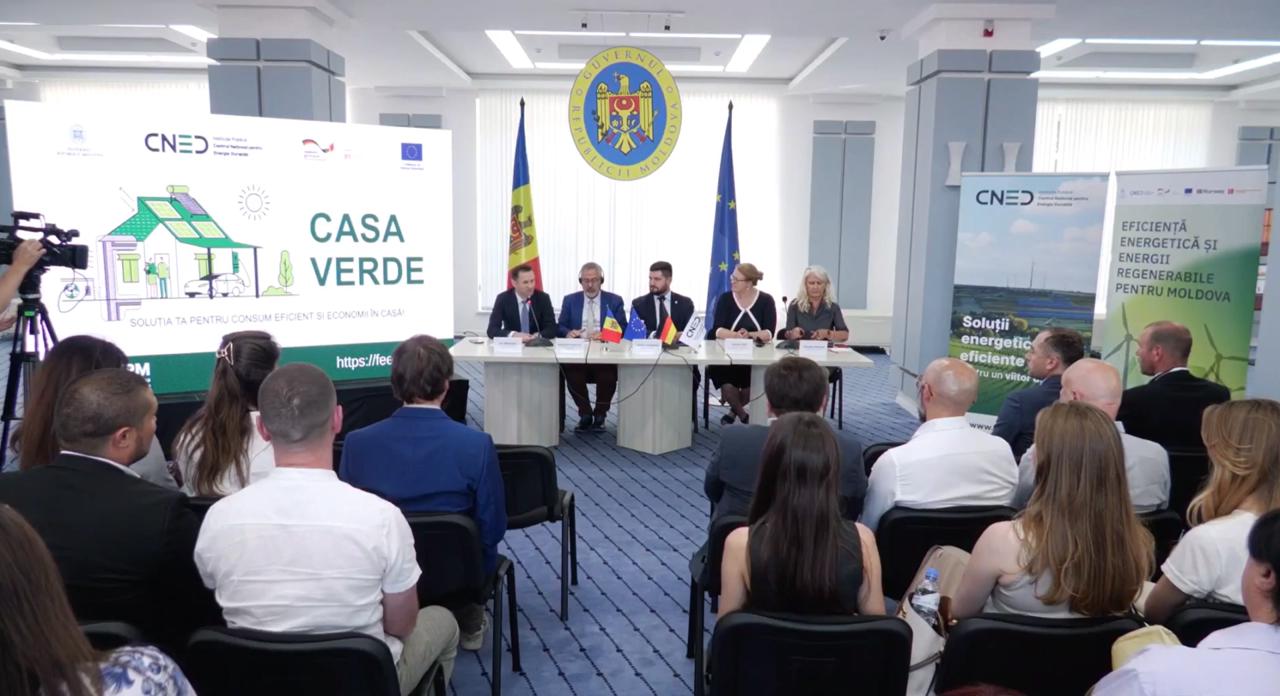
A key initiative in this effort is the “Green House” program, which is implemented by the National Center for Sustainable Energy (CNED) and receives financial support from various sources, including the European Union.
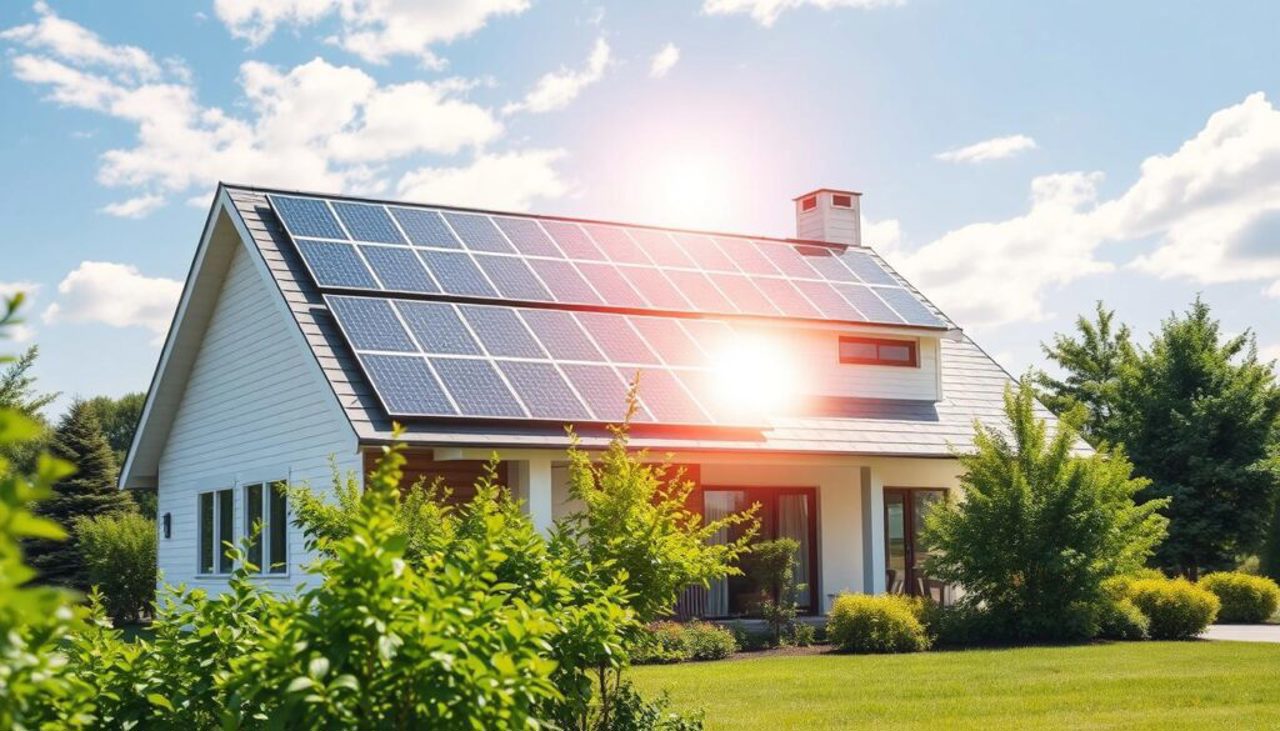
This program funds the thermal insulation of homes, as well as the installation of photovoltaic panels, storage batteries, and heat pumps. One of the program's beneficiaries is the Hîncu family from the village of Floreni, who have invested in a photovoltaic system, storage batteries, and a heat pump.
"We had already taken several steps, as one requirement was for the house to be thermally insulated and have double-glazed windows. Otherwise, the heat losses would be too high," Igor Hîncu told Moldova 1.
The total investment for their project was approximately 420,000 lei, with the CNED grant covering nearly half of the eligible expenses.
"If we had to cover the costs ourselves, the investment would take around 25 years to pay off. Thanks to the grant, we can expect to recover our investment in about 10 to 11 years," indicated Igor Hîncu.
The installed system comprises 20 photovoltaic panels with a power capacity of 12 kW, an inverter, and batteries for energy storage.
"Storage is essential. It provides us energy at night and during power outages. The gas boiler is now just a backup," said Igor Hîncu.
He mentioned that their household has become a prosumer, explaining, "Our first bill after installing the system was negative. We supplied more energy to the grid than we consumed. The supplier will refund us approximately 3,100 lei, which we can use during the cold season."
CNED: Over 1,700 families have requested funding
Ion Muntean, the Director of the National Center for Sustainable Energy, reports that public interest in the program has exceeded expectations. "The initiative covers 50% of the cost of eligible measures, up to 200,000 lei," he stated.
According to Muntean, over 1,700 applications were submitted in the first year of the program. "We aim to assist about 9,000 families, who will collectively reduce their energy bills by approximately 100 million lei annually," he added.
Muntean also noted that the Republic of Moldova is implementing measures aligned with the objectives of the new European Electrification Plan.
"We are focusing on electric heating solutions, especially heat pumps. We are also promoting electric transport and the installation of charging stations for electric vehicles," he said.
However, Dmitri Manol, a farmer and entrepreneur from Comrat, points out that despite the availability of financing opportunities, some residents in the Gagauz region remain skeptical about the EU's support, influenced by pro-Eastern rhetoric.
According to Manol, this skepticism leads many to miss vital development opportunities. He aims to demonstrate the tangible benefits of EU-funded investments and programs through his own experience.
The energy sector is part of Chapter 15 - "Energy" - in the EU accession negotiations and falls under Cluster 4, which focuses on the "Green agenda and sustainable connectivity."
So far, the Republic of Moldova has opened negotiations for Cluster 1, "Fundamentals," and Cluster 6, which addresses "External Relations."