New fiscal measures for Transnistrian region postponed until September 1
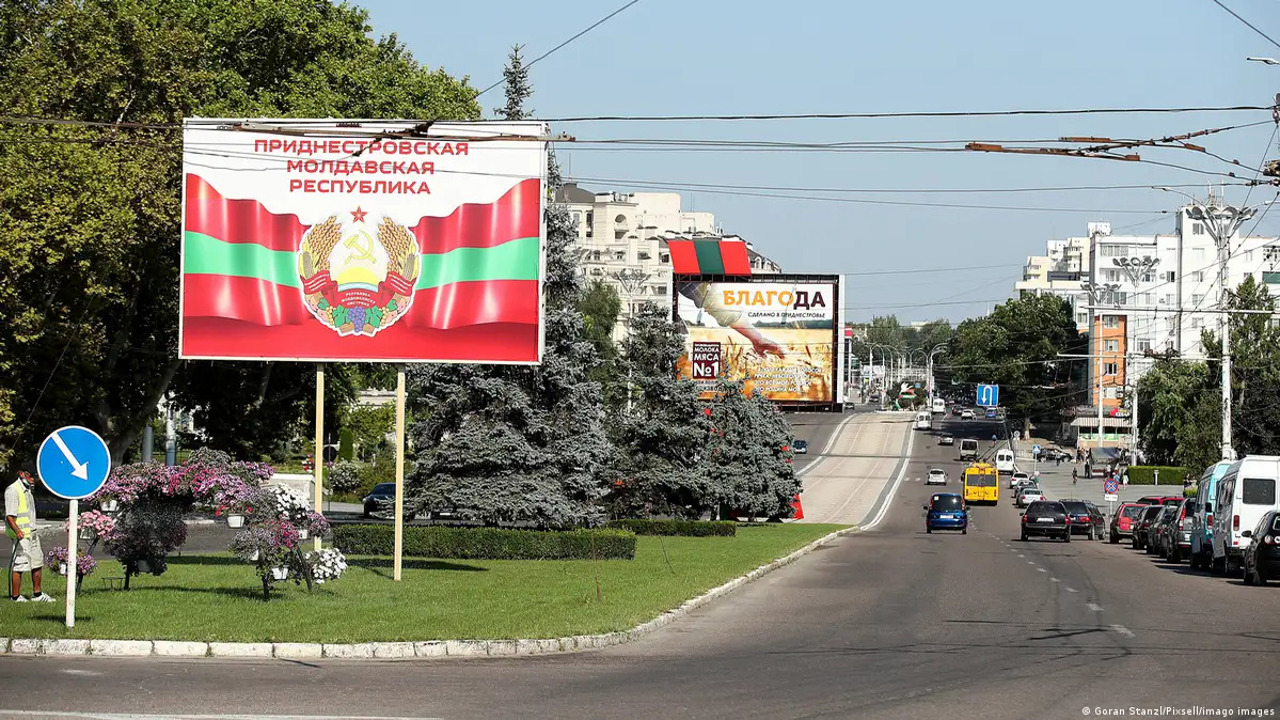
The implementation of tax benefits for economic agents in the Transnistrian region and the launch of the Convergence Fund, which aims to support the Republic of Moldova's reintegration, will be postponed by one month. Initially scheduled to take effect on August 1, these measures are now expected to begin on September 1 due to changes in the government and the extension of public consultations, according to Deputy Prime Minister for Reintegration, Valeriu Chiveri.
According to the official, the delay is due to changes following the inauguration of the new Government, as well as the extension of public consultations on tax amendments.
"We are a little behind schedule for objective reasons. There was the process of appointing the new Government, and we met with our partners, who requested an extension of the public debate period. Therefore, the date will most likely be September 1, but the political will to approve this decision exists. The Ministry of Finance extended it until July 24, and this process was only completed last week," Chiveri said on TV8 on Monday evening, July 27.
The law was adopted on April 30 and provides for the phased introduction of VAT and excise duties for products imported by economic agents from the Transnistrian region. For its implementation, two Government decisions are needed, on which the authorities are currently working with the Ministry of Finance and other involved institutions.
The first decision aims to exclude VAT and excise tax facilities, and the second - the mechanism of operation of the Convergence Fund. The two documents are interconnected, since the fund is to be funded from taxes collected from economic agents on the left bank of the Nistru.
According to Chiveri, starting September 1, luxury products, alcohol, tobacco, and other categories on the list will be targeted. From January 1, 2027, metal will also be included, a measure that mainly targets a single large economic agent in the region.
Along the way, through additional Government decisions, other categories of goods will be gradually included.
Chiveri noted that the authorities in Chisinau initially wanted to hold discussions with Tiraspol on these measures, given that the gradual inclusion of different categories of goods on the list could have provided space for negotiation on other files in the reintegration process. This perspective did not materialize.
"There is no desire to discuss the issues related to the negotiation process and to find balanced solutions on other issues. The only requirement is to exclude everything we are doing related to implementing the law. Such an approach will not lead anywhere. We will promote and adopt the necessary decisions, which will be implemented in reality", the deputy prime minister stated.
Regarding the application of the 8% VAT rate for natural gas - a measure postponed from August 1 to January 1, Chiveri said that the provision has not yet been included in the Government decision. He added that "there is enough time for discussions"on this subject.
On February 26, during a meeting in Tiraspol between political representatives from Chisinau and Tiraspol, mediated by the OSCE Mission, the Government announced the creation of the Convergence Fund.
This Fund is intended to serve as an instrument to "stimulate the reintegration" of the Transnistrian region by financing social and infrastructure projects. It will be funded in part by taxes collected from economic agents operating on the left bank of the Nistru, with the collected funds directed towards projects benefiting local communities.
According to the authorities, the Convergence Fund is not meant to be used as a tool of pressure in negotiations with Tiraspol; rather, it is designed to facilitate a gradual process of economic reintegration. The projects will be implemented through local authorities and companies registered on the right bank of the Nistru, without direct involvement from Tiraspol's structures.
Initially, the fund was expected to accumulate approximately 300 million lei by the end of the year, with the goal of increasing this amount to 4 billion lei by 2030.
On April 30, Parliament adopted legislative amendments in final reading aimed at gradually eliminating tax incentives for economic agents from the Transnistrian region and introducing taxes on goods imported from this region. The establishment of the Convergence Fund for Reintegration was also included in the same legislative session.
In response, the so-called Supreme Soviet in Tiraspol requested that Chisinau abandon these measures.
A draft by the Ministry of Finance initially proposed introducing a 20% VAT for economic agents from the Transnistrian region starting August 1, 2026. This tax would apply to the import of goods such as alcohol, tobacco, perfumes, jewelry, motor vehicles, and other categories.