Former Mariupol residents accuse occupiers of forcibly reshaping their city
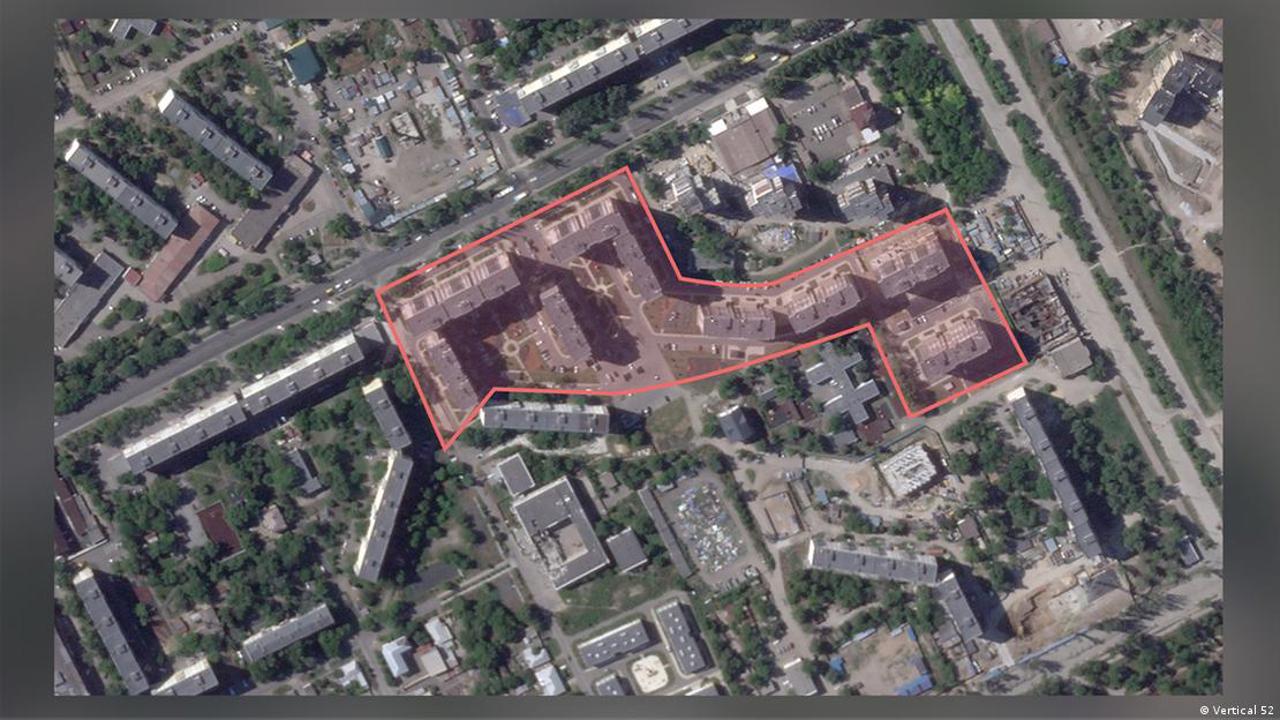
Russia is constructing numerous new apartment buildings in occupied Mariupol. However, a DW investigation reveals that most of these apartments are being purchased by Russian citizens. Many former residents of the city, who have been left homeless due to the war, claim they have not received the promised housing and are now forced to rent.
Most of the tenants in the new residential blocks are not locals but individuals from other regions who have purchased apartments either for personal use or for rental purposes.
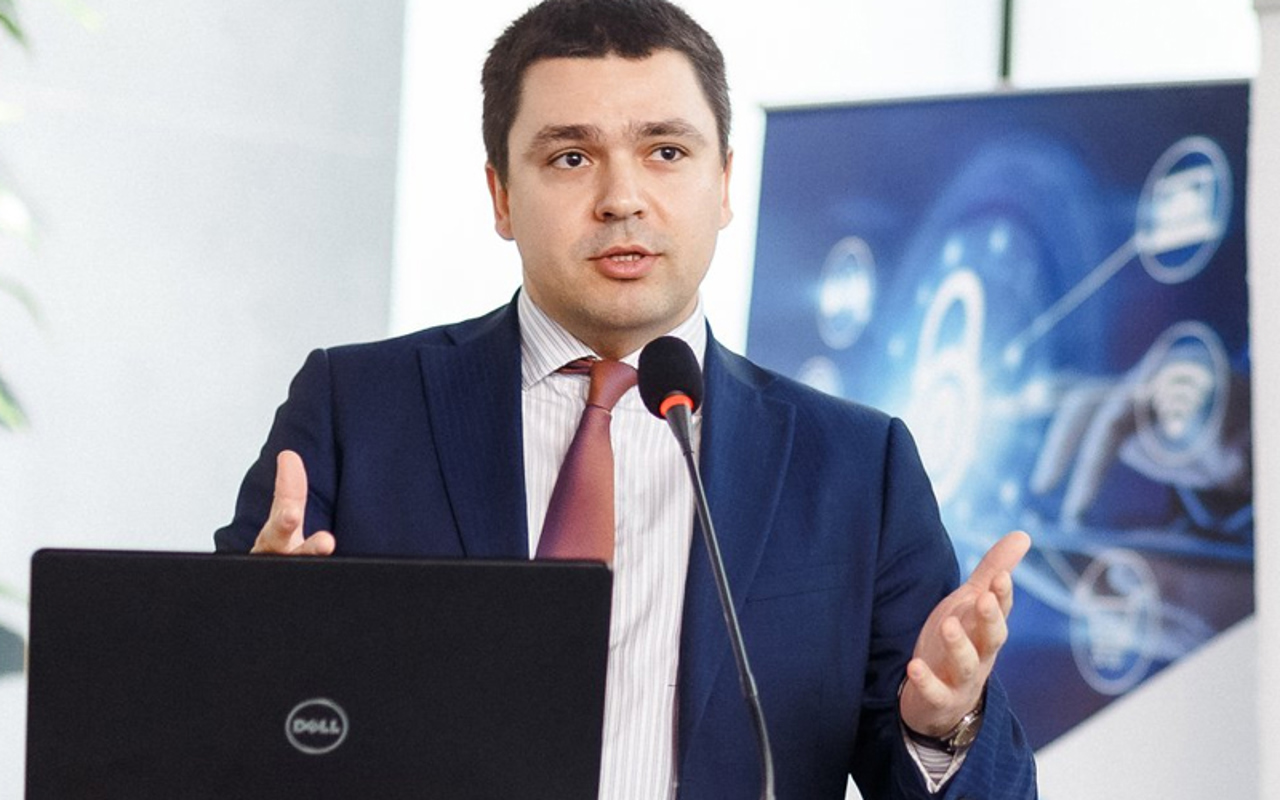
Economic analyst Vyacheslav Shiryaev explains, “These tenants include representatives of the Russian security forces and employees of budgetary institutions, who are attracted to the area by high salaries. Additionally, there are military logistics workers and a small percentage of individuals seeking to live by the sea but unable to afford locations like Crimea or Sochi.”
In the territories occupied by Russia, a preferential mortgage loan is offered with an annual interest rate of 2% for the entire loan period. To be eligible, applicants must be citizens of the Russian Federation. The maximum loan amount is six million rubles, with a required down payment of at least 10%.
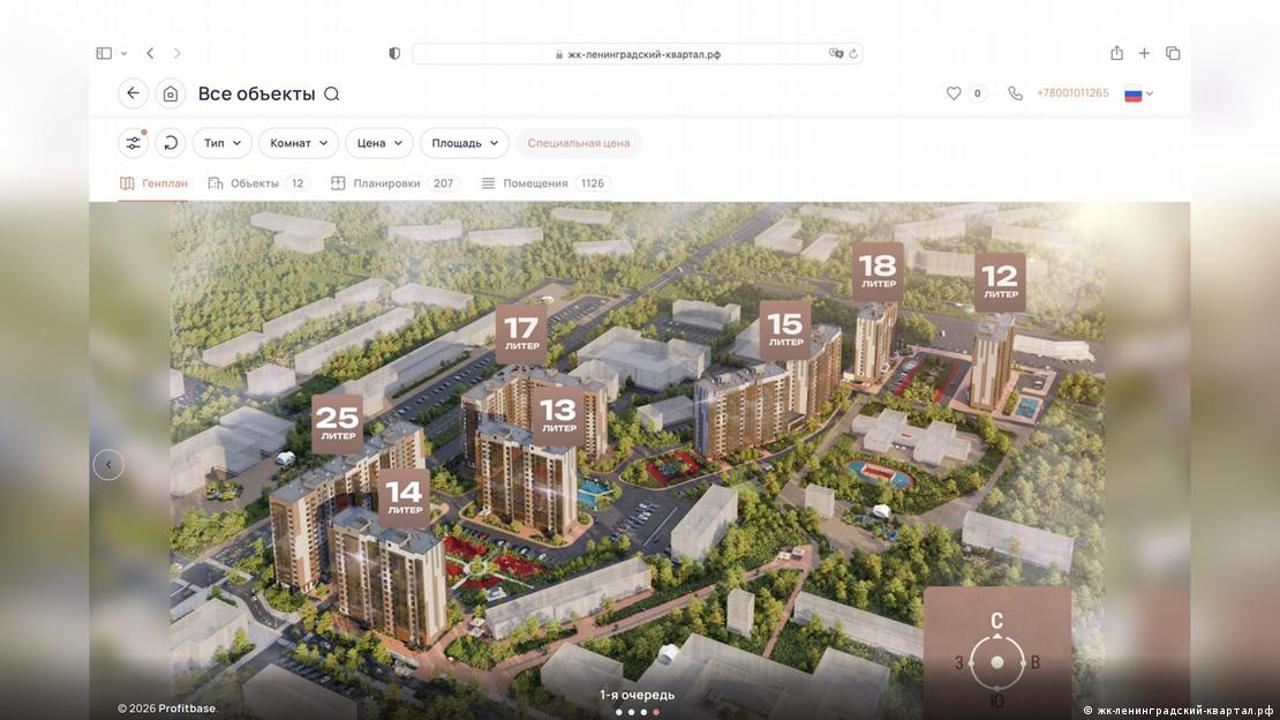
Apartment prices in Mariupol have increased by one-third
Dozens of new apartment buildings and residential complexes are either under construction or have recently been completed in Mariupol. According to Russian banks, the city ranks first among the occupied regions in the number of mortgage loans granted.
Housing prices have risen by about one-third in just a year, primarily due to the city's seaside location, as Shiryaev noted. He points out that while demand for housing is high, the quality of construction is very poor because developers cut costs significantly, yet still charge exorbitant prices.
In the "Leningrad District," which is located near the city center and about a ten-minute drive from the seaside, one- and two-room apartments are currently priced between 7.5 million and nearly 10 million rubles, while three-room apartments start at 10 million rubles. Developers are offering Russian buyers discounts of up to 12%.
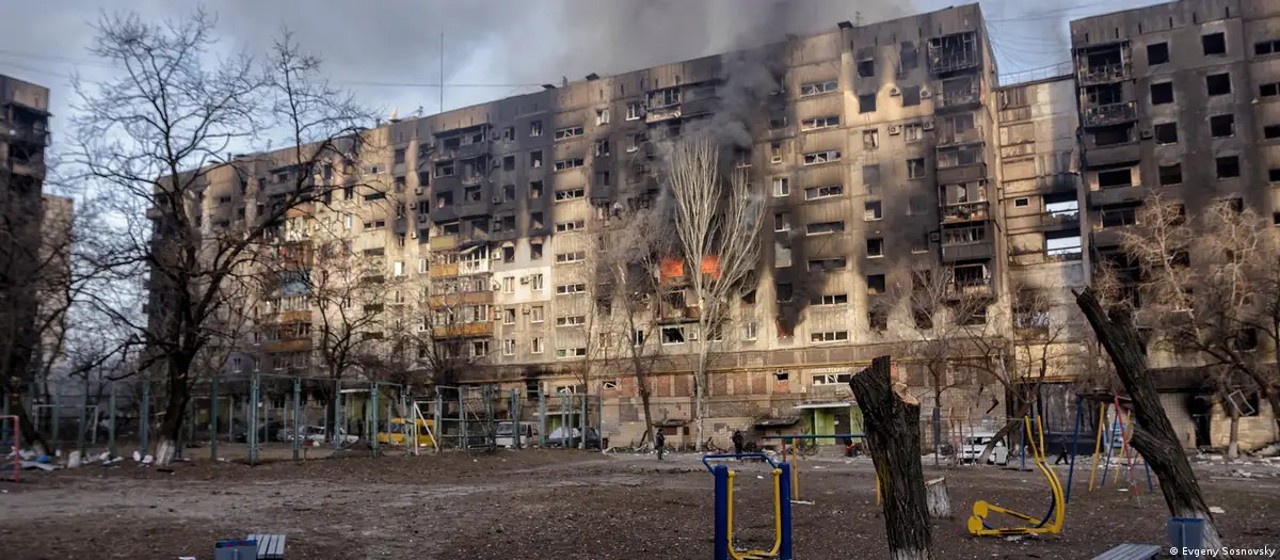
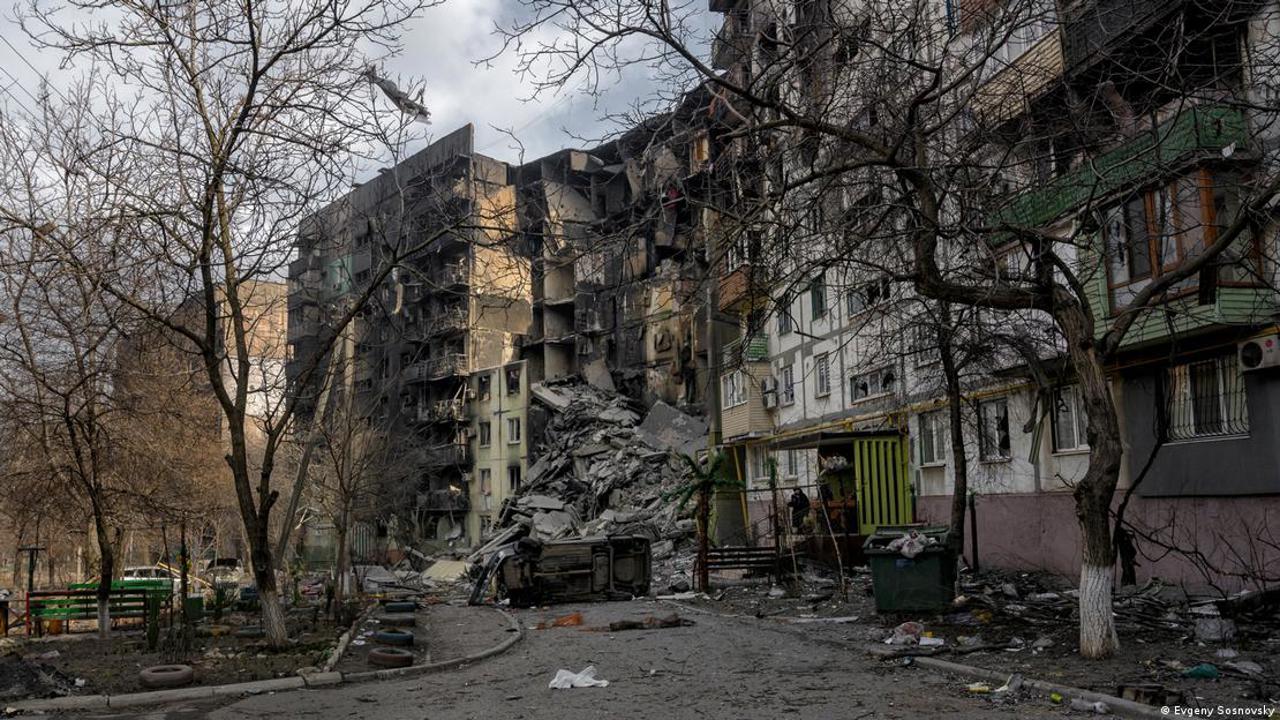
The stories of those who lived on that land just a few years ago are seldom discussed. According to UN estimates, 90% of the city’s buildings were damaged or destroyed during the fighting. The media reports that the number of victims is in the tens of thousands, but the exact figure remains unknown.
Former owners offered "ownerless" housing
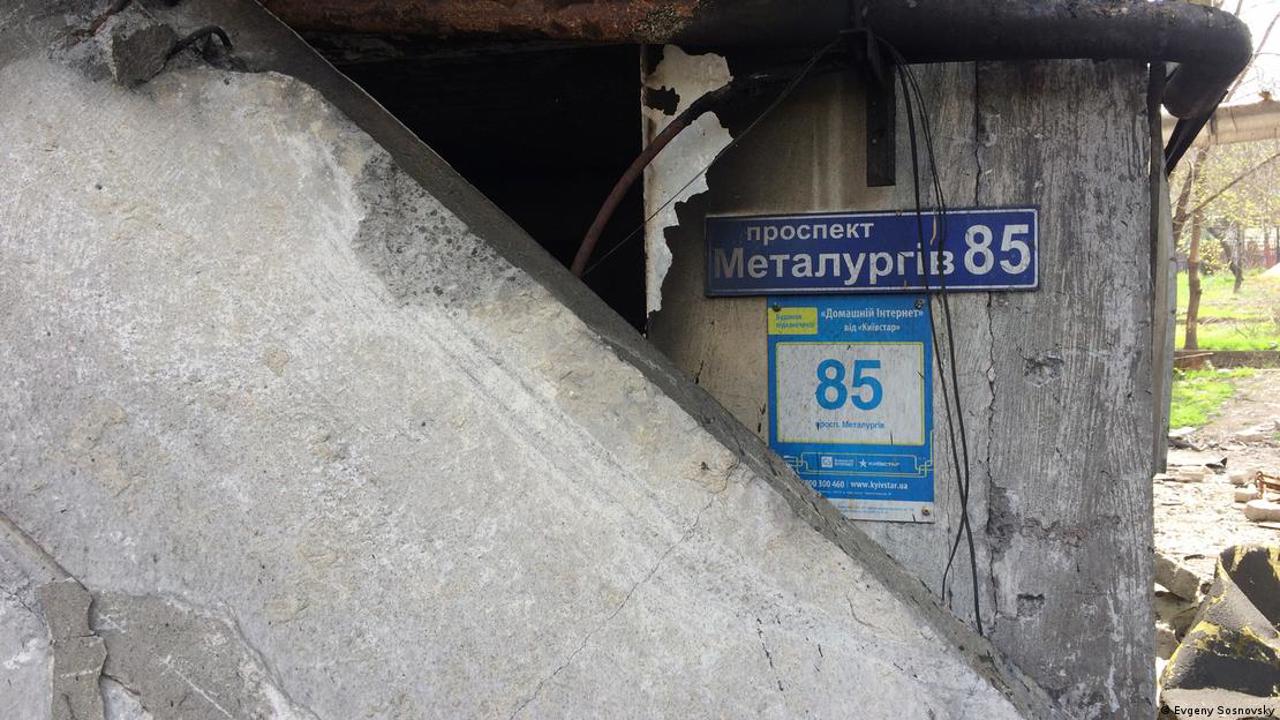
In 2025, the residents of apartment building No. 91 on Metallurgist Boulevard recorded a video call addressed to Russian President Vladimir Putin. In the footage, filmed against the backdrop of the "Leningrad Quarter" construction site, the adults, with their children in front, state that their home was damaged "as a result of military actions," then demolished, and is now being replaced by "a block of flats sold on mortgage."
They were informed that they would not receive apartments in the new complex and instead were offered "ownerless apartments”—homes left empty after their owners were unable to return to the occupied city.
Residents from other apartment blocks have sent similar messages. “We were left under the open sky; there is a feeling that we have been abandoned and that we are no longer needed,” says one woman, explaining that locals who lost everything in the bombing cannot afford a mortgage.
According to a DW source who wished to remain anonymous, after these calls, the authorities in Mariupol advised residents that “they should not express themselves like that.”
“Construction on a cemetery”
People who left Mariupol understand those who remained, as not everyone was able to leave and rebuild their lives elsewhere. However, they harbor hostility toward the Russian occupation.
"In Mariupol, the native population is being replaced," says one former resident.
Like other DW interlocutors, she notes that in the years leading up to the invasion, Mariupol was developing rapidly and had become a desirable place to live. Now, she lives with her son in Kyiv.
"They are building on bones as quickly as possible to bury the traces of their own crimes," assess former residents of Mariupol regarding Russia's actions in the city.
They are not ready to return to their hometown, where they are uncertain if they will be allowed access or be able to register their homes under the rules imposed by the Russian occupation authorities.
Ukraine also does not provide compensation for the loss of property in such cases, arguing that a commission without access to the occupied territory cannot assess the situation.
"They build their colorful blocks on a human cemetery. You know how much you want to bomb them—but only if there are no people inside; it’s just a cry of the soul," says one former resident of a block of flats on Metalurgilor Boulevard.
The man lived there for decades and remembers with pain how his child took their first steps in the apartment that no longer exists.