Moldovan farmers, worried about Ukrainian grain transit, request an urgent meeting with the Prime Minister
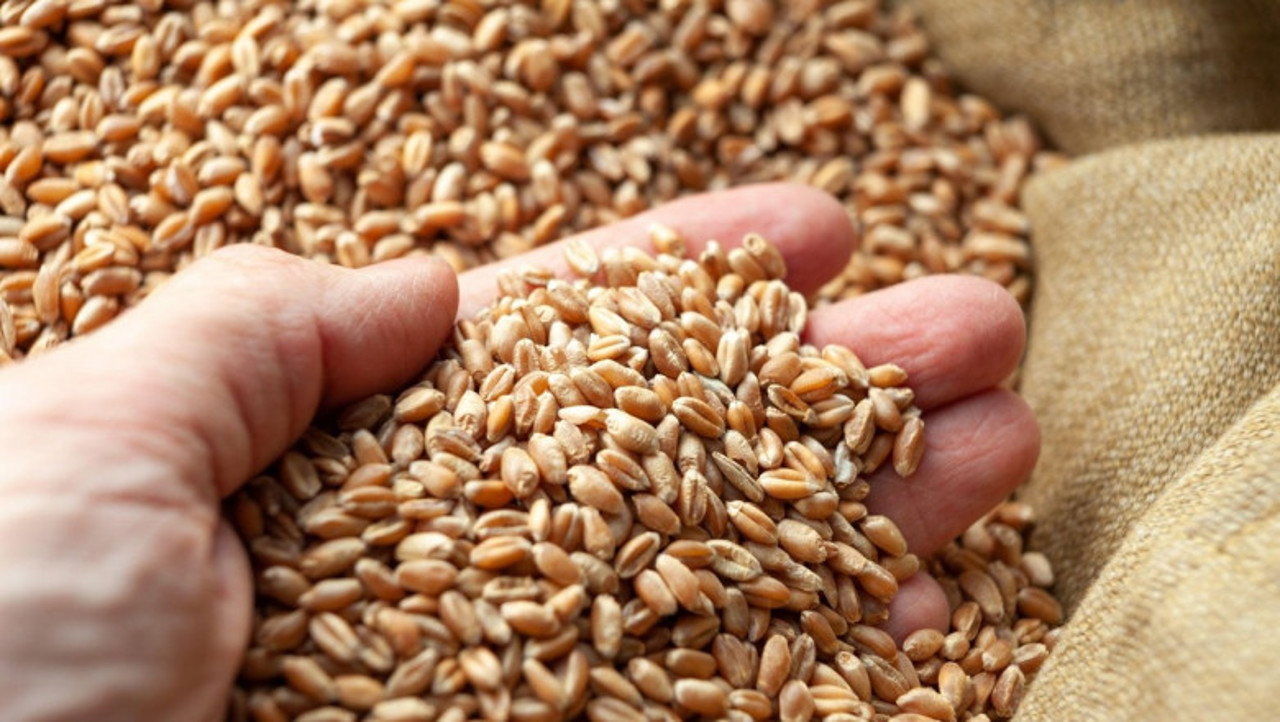
Farmers from the Republic of Moldova are requesting an urgent meeting with Prime Minister Vasile Tofan to discuss the current state of the grain market and the effects of agricultural production transit from Ukraine. The "Forța Fermierilor" association seeks clarification on the 50% reduction in rail transport costs for goods from Ukraine, warning that this decision could lead to a collapse of prices for grains and oilseeds in the domestic market.
According to the agreement between the governments of Chisinau and Kyiv, a new tariff regime came into effect on August 10 and will remain in place until the end of 2026.
Moldovan farmers support the export of Ukrainian grains and oilseeds but are concerned that this transit may negatively impact Moldovan producers' exports. They feel the authorities have not adequately explained how this decision will influence the Republic of Moldova's ability to export its own products. There are fears that the increased use of wagons for Ukrainian goods could block Moldovan exports and raise transportation costs.
The farmers' association notes that nearly one-third of Moldovan wheat was exported by rail in July this year. They are also worried about the road transport situation, particularly the potential shortage of trucks and congestion at customs points with Romania.
"Forța Fermierilor" warns that the transit of Ukrainian goods could put pressure on domestic prices, especially given the relatively good harvest in Moldova. The association recalls that in 2023, the grain market was significantly affected by imports from Ukraine.
Another concern is the difference between the regulations in Moldova and those in Romania. While Moldova maintains a free regime for the import of cereals and oilseeds from Ukraine, Romania enforces licensing for several Ukrainian agri-food products.
Farmers express that goods in transit could potentially enter the domestic market or be re-exported later with a change of origin. The association believes this could prompt Romania, one of Moldova's main partners for wheat, sunflower, and corn exports, to impose similar restrictions on Moldovan cereals and oilseeds.
"Forța Fermierilor" also criticizes the decision regarding the transit of Ukrainian cereals, stating it was made without consulting local agricultural producers. They demand "total transparency" regarding its impact on Moldovan agriculture and are calling for an urgent meeting with the Prime Minister, threatening protests if their demands are not addressed.
Revenues for the CFM and aid for Ukraine
The reduced tariff for Ukrainian cereals is described as a temporary mechanism and a "response to the repeated attacks by the Russian Federation on infrastructure and logistics routes in Ukraine," declared Deputy Prime Minister Vladimir Bolea, Minister of Infrastructure and Regional Development, on August 12.
According to him, the support provided to Ukraine will help compensate for the losses experienced by the Moldovan Railway (CFM) over the past three years.
"The transit allowed by Moldova between 2022 and 2023 generated hundreds of millions of lei. However, the CFM ended 2024 with losses of over 300 million lei and faced a deficit of approximately 80 million lei in 2025. In the first six months of this year, the CFM returned to profit, reporting 17 million lei," said Deputy Prime Minister Vladimir Bolea.
The minister assured that the cereals would not remain in the Republic of Moldova but would only transit through the country to Romanian ports.
Experts agree that the transit of Ukrainian cereals to the port of Constanta via Moldova could generate additional income for the Moldovan Railway. However, they caution that the authorities must ensure that the infrastructure can accommodate the increased volume. A significant rise in transit could also impact Moldovan exporters, particularly during the peak agricultural season.
The Republic of Moldova and Ukraine have reached an agreement to transport Ukrainian goods via the Moldovan Railway along the section that crosses Moldovan territory. Under this agreement, Chișinău will offer a 50% discount on rail transit for Ukrainian goods. This initiative is expected to generate several million euros in revenue for the Moldovan Railway (CFM).
Ukraine plans to export and transport up to six million tons of goods through various regional routes in the 2026 agricultural year. Moldova aims to attract approximately 10% of this volume by offering the aforementioned 50% discount for transit through its territory.
Additionally, the Ministry of Infrastructure and Regional Development is working to enhance the capacity of the CFM to ensure more efficient management of cargo flows.