35 years of independence: Moldova’s pivotal 2003–2004 crises
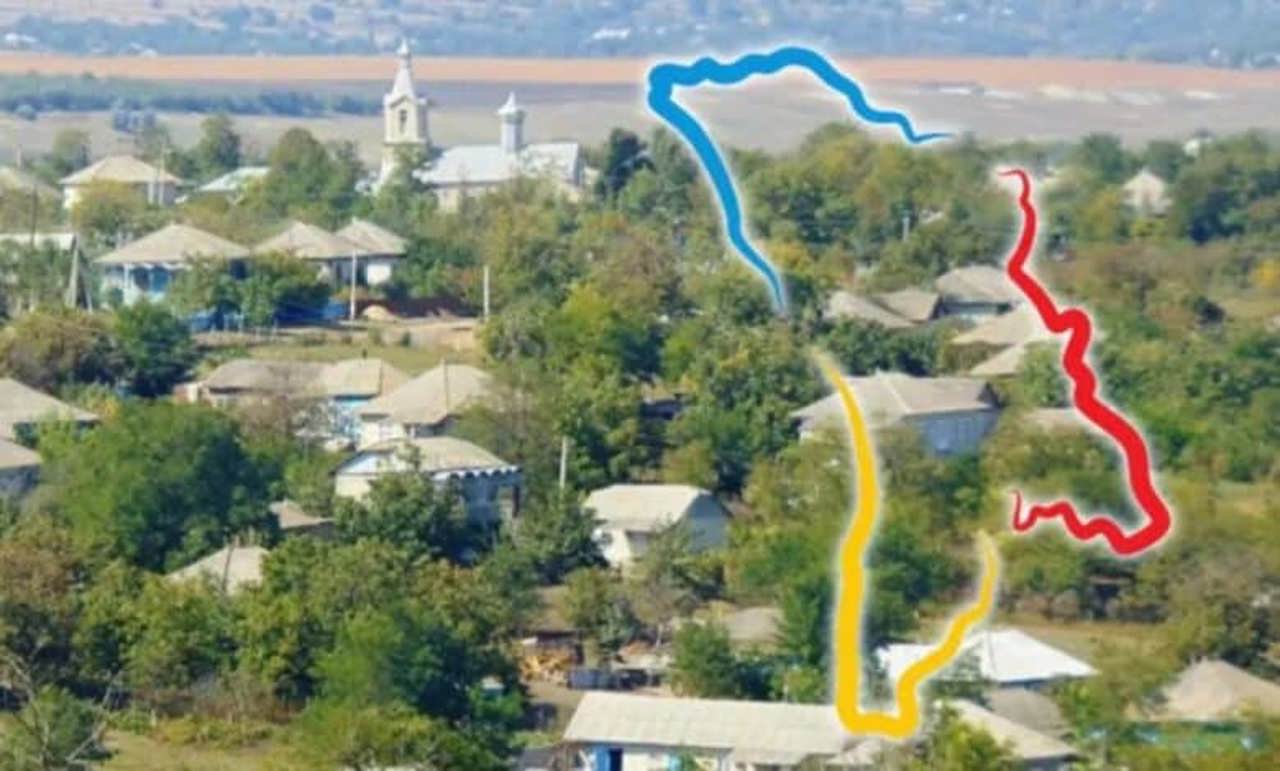
Public broadcaster Moldova 1 continues its special editorial campaign, "35 Years of Independence," highlighting the key moments that shaped the nation's modern history. Running daily from August 10 to 27, the series examines the decisive events that influenced Moldova’s path since 1991.
The 2003 Kozak Memorandum crisis
The year 2003 marked one of the most critical diplomatic turning points in Moldovan history. In November, the Russian Federation proposed the "Kozak Memorandum," a plan designed to settle the Transnistrian conflict through federalization while maintaining a long-term Russian military presence.
Despite initial preparations to sign the document in Chisinau alongside Russian President Vladimir Putin, Moldovan President Vladimir Voronin declined the proposal at the last moment following intense domestic protests and international pressure. This decision caused an immediate cooling of diplomatic relations between Chisinau and Moscow.
That same year, Moldova implemented an administrative reform, abolishing its nine larger counties and reverting to a system of 32 smaller districts, five municipalities, and the autonomous territorial unit of Gagauzia. Local elections held in 2003 were deemed broadly democratic by OSCE observers, despite noted shortcomings regarding media access.
The 2004 school crisis and European orientation
In 2004, Chisinau intensified its dialogue with Western partners and reinforced its alignment with the European Union. However, tensions escalated in the separatist Transnistrian region during the summer when local authorities forcibly shut down Romanian-language schools using the Latin script.
The closure triggered strong condemnations from Chisinau, the Council of Europe, the OSCE, and the European Union, bringing human rights and educational access in the breakaway region to international attention. Subsequent negotiations established a legal status for several Chisinau-administered schools, though linguistic rights remained a persistent friction point.
In October 2004, Moldova conducted its first post-independence population census. Excluding the Transnistrian region, official results recorded a population below 3.4 million, signaling significant demographic decline and widespread outward migration.
Together, the events of 2003 and 2004 solidified Moldova's gradual geopolitical shift toward European integration.
Translation by Iurie Tataru