Moldova weighs Ukraine grain curbs as farmers threaten fresh protests
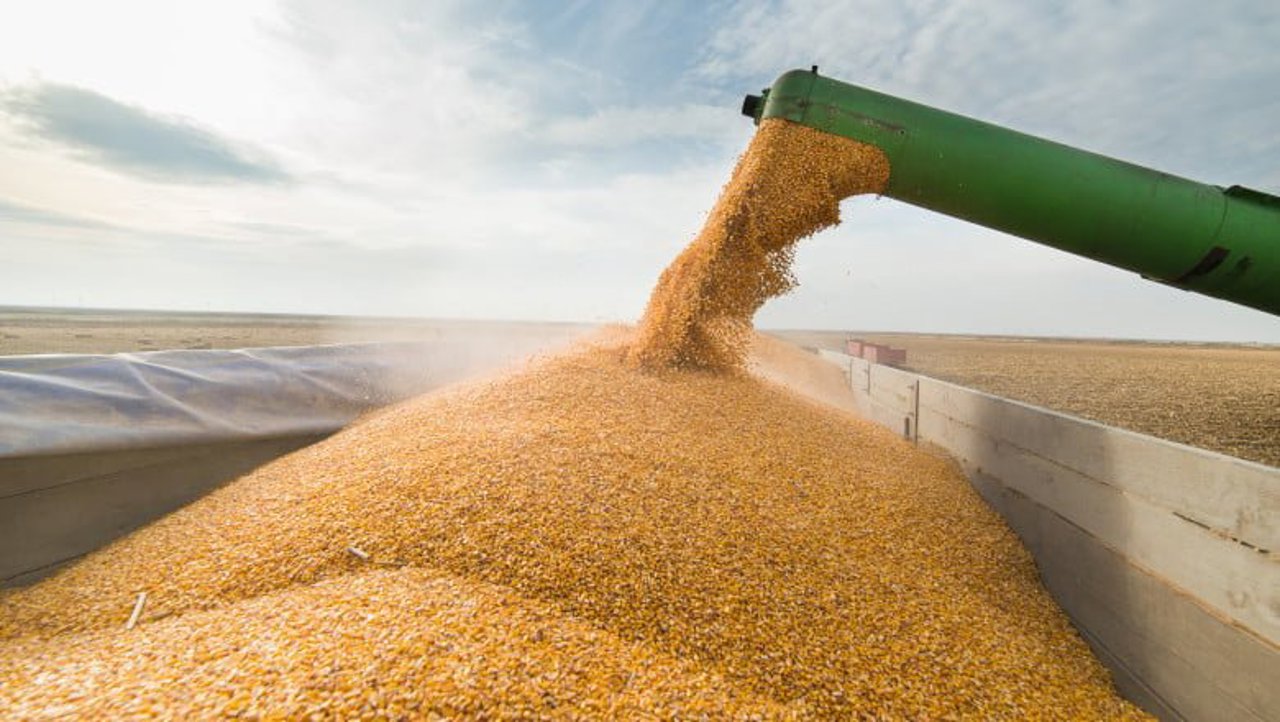
Moldova’s government is evaluating whether to maintain restrictions on Ukrainian grain imports, weighing broader economic repercussions across the domestic food processing chain against renewed protest threats from local farmers.
Supply chain impact assessment
Agriculture and Food Industry Minister Eugeniu Osmochescu said any final decision will depend on comprehensive financial data rather than unilateral demands, noting that import barriers affect not only grain growers but also downstream sectors such as milling and baking.
“I have not seen any economic justification for imposing import licensing,” Osmochescu said. “That is why I asked colleagues to conduct an impact analysis across all value-chain links in the Republic of Moldova, from imports to bakery production.”
Osmochescu also warned of external commercial risks, recalling that Chisinau narrowly avoided Ukrainian retaliatory curbs on Moldovan wine and table grape exports following a temporary ban on poultry imports from Ukraine.
Dispute over Licensing Commission
The regulatory measure has also sparked debate over the composition of the licensing review commission, from which agricultural associations were excluded. Osmochescu defended the restructuring as necessary to meet legal standards and prevent conflicts of interest.
“The licensing process, like any regulatory permitting mechanism, is a sovereign prerogative of the state,” Osmochescu said. “We cannot include actors in the licensing process who stand to benefit or find themselves in a conflict of interest.”
Moldovan lawmakers recently approved the grain licensing mechanism in the second reading, capping its validity at October 31. The decision has drawn sharp criticism from farm leaders, who are demanding an extension through December 31 to protect domestic grain prices during peak harvest.
“We analyzed all applications submitted in 2024–2025: there was not a single request from livestock breeders,” said Alexandru Brinza, a founding member of the Farmers’ Force (Forța Fermierilor) association, speaking on Radio Moldova. “The primary demand came from major market players—ethanol producers and sunflower seed crushers.”
Brinza warned that producers will return to street protests if authorities disregard their demands, arguing that controlled imports protect the domestic market and prevent illicit re-exports. Meanwhile, parliamentary agriculture committee secretary Iurie Levinschi acknowledged the need to engage farmer associations, pledging legislative monitoring and ministerial consultations throughout September.
Moldova first introduced import licensing for wheat, corn, and sunflower seeds in October 2023, extending the system periodically through 2024 and 2025 to regulate inbound shipments.
Translation by Iurie Tataru
RELATED COVERAGE
- Moldova passes grain and oilseed import licensing through Oct. 31
- Moldova votes grain import curbs as lawmakers push extension to 2027
- Moldova aligns farm cooperative rules with EU standards in first reading
- Moldova rail tariff cut fails to spur Ukraine grain flow
- Moldova auctions 21 state farmland leases for five years