Independence as remembered by those who lived it, during the Decade of National Values
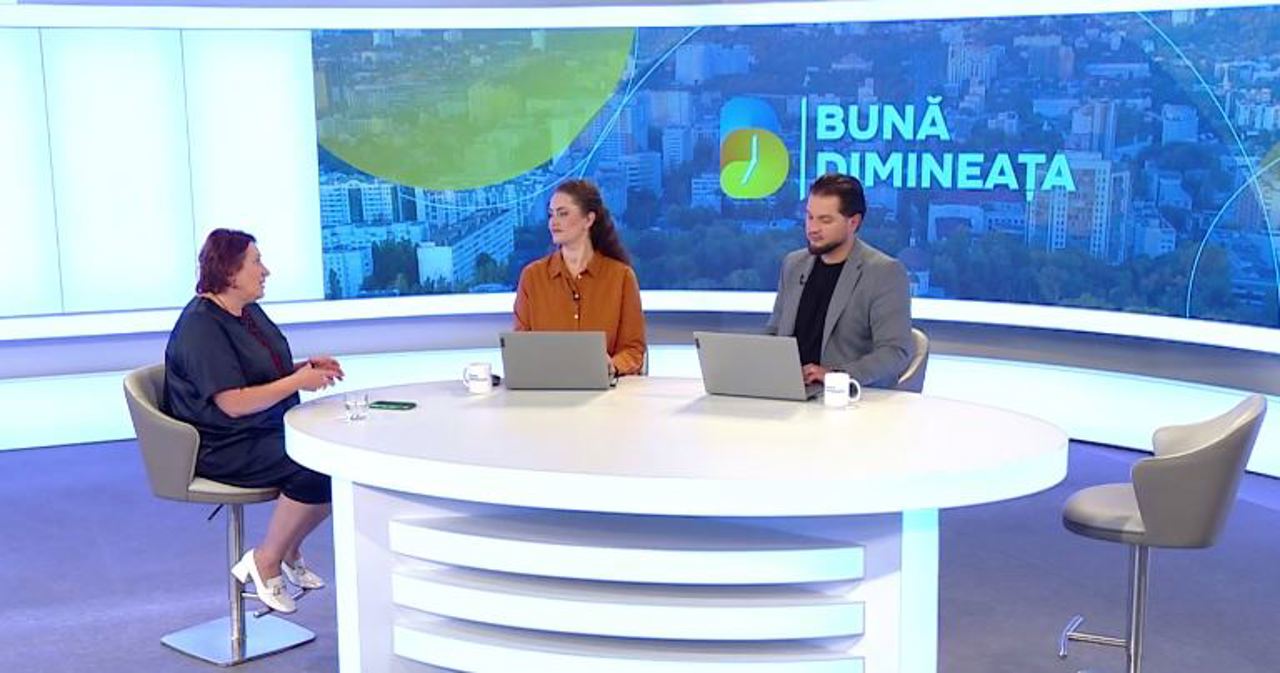
In September, students in the Republic of Moldova are taking part in the "Decade of National Values" campaign. This initiative, launched by the Ministry of Education and Research to celebrate the 35th anniversary of the country's independence, aims to help students understand their national history and promote responsible civic behavior.
A ten-day period followed a National Forum organized by the Ministry of Education and Research (MEC) on August 24. During this event, participants signed an educational pledge that emphasized the community's role in promoting national values and viewing independence not only as a historical event but also as a fundamental value for every citizen.
"Forum participants signed an educational pledge that highlights the importance of the educational community in the Republic of Moldova in discussing values—specifically, independence as both a national and personal value for every citizen of the state," stated Corina Lungu, Head of the Curricular Policy Directorate at the MEC, during the "Bună Dimineața" program on Moldova 1.
According to the ministry representative, these activities are not confined to a single lesson or subject. Teachers have received recommendations and materials that enable them to incorporate the theme of national values across various subjects, including Mathematics, Music Education, Visual Arts, History, and the course "Me and Society."
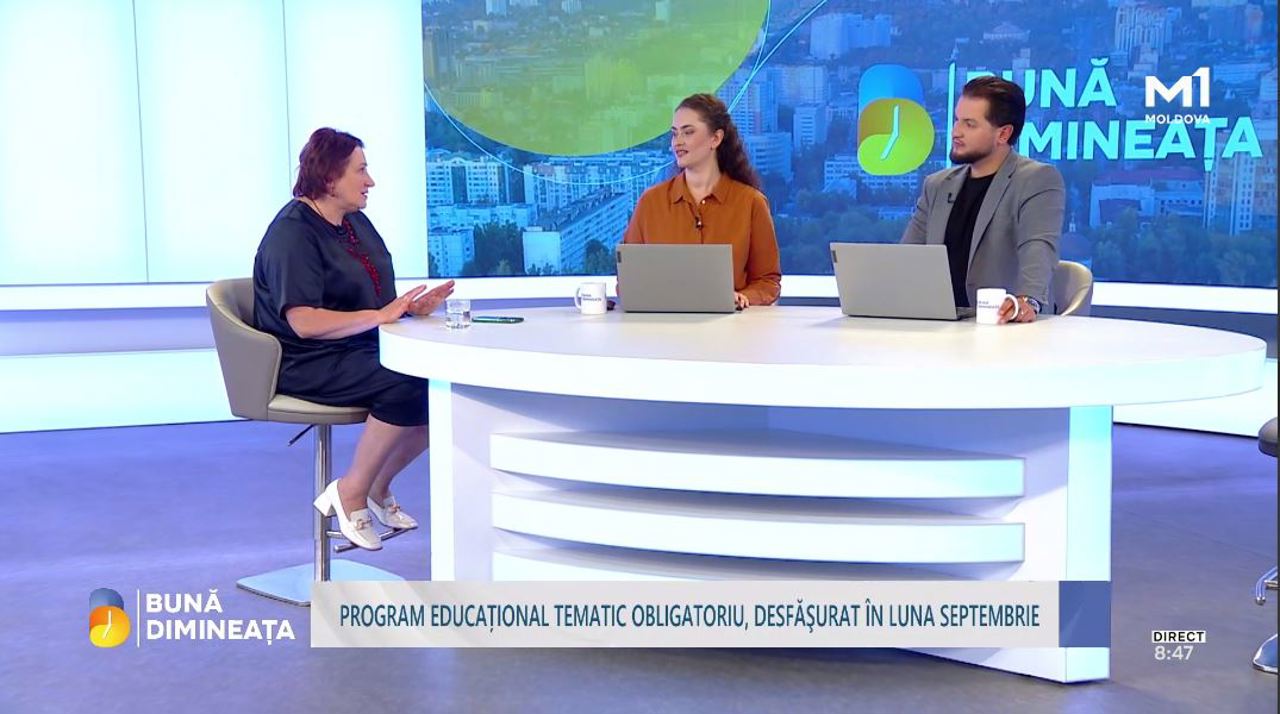
To prepare teaching staff, voluntary training sessions were organized over the course of a week, with over 2,500 teachers participating in real-time activities.
National holidays, the Nistru war, and peace
A key component of the program is intergenerational dialogue. Local forums are being held in all districts of the country, providing students in lyceum the chance to converse with individuals who lived through the period when independence was declared and who participated in signing the Declaration of Independence.
"When I talk about genuine intergenerational dialogue, I mean discussions between students in lyceums and those who experienced the independence era, including the very signatories of the Declaration of Independence," explained Corina Lungu.
The first local forums are scheduled in Drochia and Rezina, with similar activities planned daily through the end of September.
The "Decade of National Values" is part of a broader range of thematic activities outlined in the curriculum. According to the Ministry of Education and Research (MEC), the school year includes three mandatory thematic periods focused on both national and universal human values.
In September, the themes include Independence Day, Romanian Language Day, and National Army Day. March features the "Decade of Memory and Gratitude" which is dedicated, among other things, to the Nistru War fought for the independence and territorial integrity of the Republic of Moldova. Meanwhile, activities in May center on universal human values such as peace, solidarity, and freedom.
Also, educational institutions may organize various thematic ten-day periods based on the specific characteristics and needs of their school communities. Potential topics include human rights, health education, media literacy, and STEAM skills development.
Patriotism: “Naturally” integrated into the educational process
One of the program's key objectives is to cultivate critical thinking and enhance students' ability to analyze information, particularly in the context of combating disinformation and manipulation.
Corina Lungu argues that national values should not only be proclaimed but understood through an analysis of historical events and their contexts.
"We truly want to focus on values that are genuinely lived, not just declared; however, these values can only be grasped through a critical approach to the information being discussed," said the MEC representative.
To achieve this, the teaching materials prepared for educators emphasize critical thinking and the analysis of events that led to the proclamation of independence. Topics such as the National Liberation Movement, the "Bridge of Flowers" and the Great National Assembly are examples that, according to the MEC representative, require thorough discussion. This approach ensures that students do not merely memorize the names of events but also comprehend their significance.
"To develop a critical understanding of these events, we need to engage in dialogue; we must include this educational component to foster a culture of memory regarding the history of the Republic of Moldova", noted Corina Lungu. The representative from the Ministry of Education and Research also emphasized on public television that the program aims to promote a balanced form of patriotism that is linked to civic responsibility and democratic principles. According to her, the new generation of curricula emphasizes values and naturally integrates patriotism into the educational experience.
RELATED NEWS: