Zelenskyy ends pause on targeting Russian oil refineries
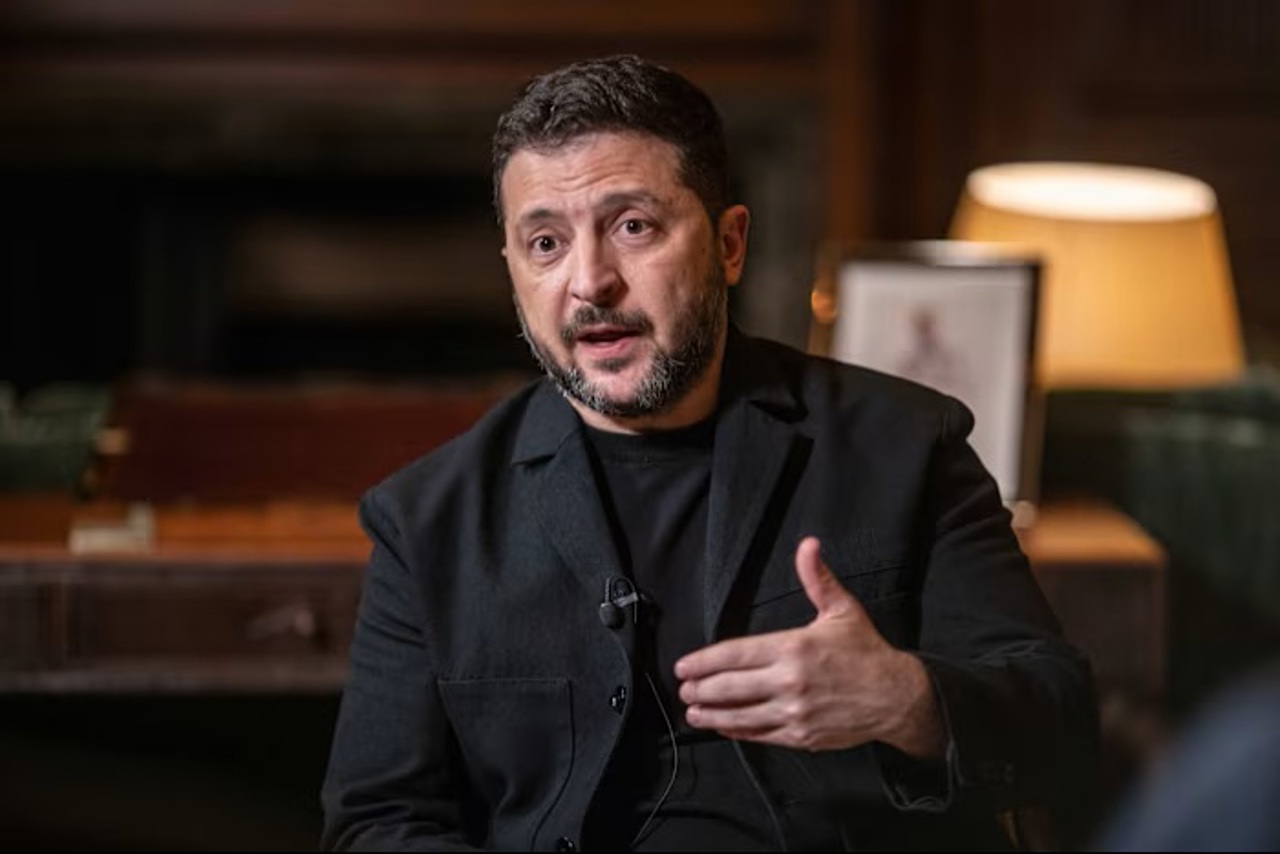
Ukraine will resume strikes on Russian oil refineries after Washington curbed intelligence sharing and throttled Starlink access during intensified Russian bombardments, President Volodymyr Zelenskyy said in a Financial Times interview.
“We are done. The decision not to attack refineries is no longer valid,” Zelenskyy told the newspaper, voicing frustration over mounting Western constraints while Russian attacks on Ukrainian cities and energy infrastructure intensified.
Intelligence limits and satellite throttling
The Ukrainian president sharply criticized Washington's diplomatic push for commercial agreements with Moscow, as well as President Donald Trump's stated admiration for Vladimir Putin. Zelenskyy argued that the U.S. leader holds an instinctive draw toward autocrats and the ultra-wealthy, who maintain power for decades.
U.S. officials had placed heavy pressure on Kyiv to halt strikes against Russian refining facilities. The White House pushed Ukraine into a temporary moratorium following an American agreement with Moscow to purchase hundreds of thousands of tons of Russian diesel to curb domestic fuel prices.
Zelenskyy said Ukraine suspended attacks on energy infrastructure for three days to comply with American requests. During that same interval, Russian forces continued bombardment of Ukrainian territory, killing more than 100 civilians in a single week.
Despite the Ukrainian pause, armed forces received no advance U.S. warnings regarding incoming ballistic missiles, while Starlink connection speeds were throttled nationwide. Ukrainian military personnel reported being warned by American counterparts that intelligence sharing would be halted if strikes on refineries did not cease.
Strained strategic ties
Although U.S. officials later attributed the intelligence disruption to technical failures, Zelenskyy maintained that the satellite connectivity problems were a deliberate political decision rather than an engineering malfunction.
President Trump subsequently denied that Washington had suspended intelligence sharing with Kyiv. Elon Musk stated on social media platform X that Starshield—the military-grade satellite network developed from Starlink—is owned and operated by the U.S. government, noting that any operational or bandwidth limitations remain under military control.
The diplomatic clash marks the most severe strain in bilateral ties between Kyiv and its primary security backer since their Oval Office meeting in February last year. Zelenskyy warned that abandoning strikes on Russian oil infrastructure risks encouraging further commercial deals that directly fund Moscow's military campaign.
“A split between Europe and the United States, or between Ukraine and the United States, helps Putin unite his efforts,” Zelenskyy said. “It makes him feel he is winning.”
Translation by Iurie Tataru
RELATED COVERAGE
- EU disburses €2.86 billion military aid tranche to Ukraine
- War in Ukraine raises risks for Moldova, experts warn
- UK intel: Russian war casualties reach 1.5 million in Ukraine
- Ukraine marks 35th independence anniversary amid war
- Russia-Ukraine War at four years: Territorial stagnation and the high cost of attrition