One candidate, 588 voters: Gagauzia's electoral imbalance
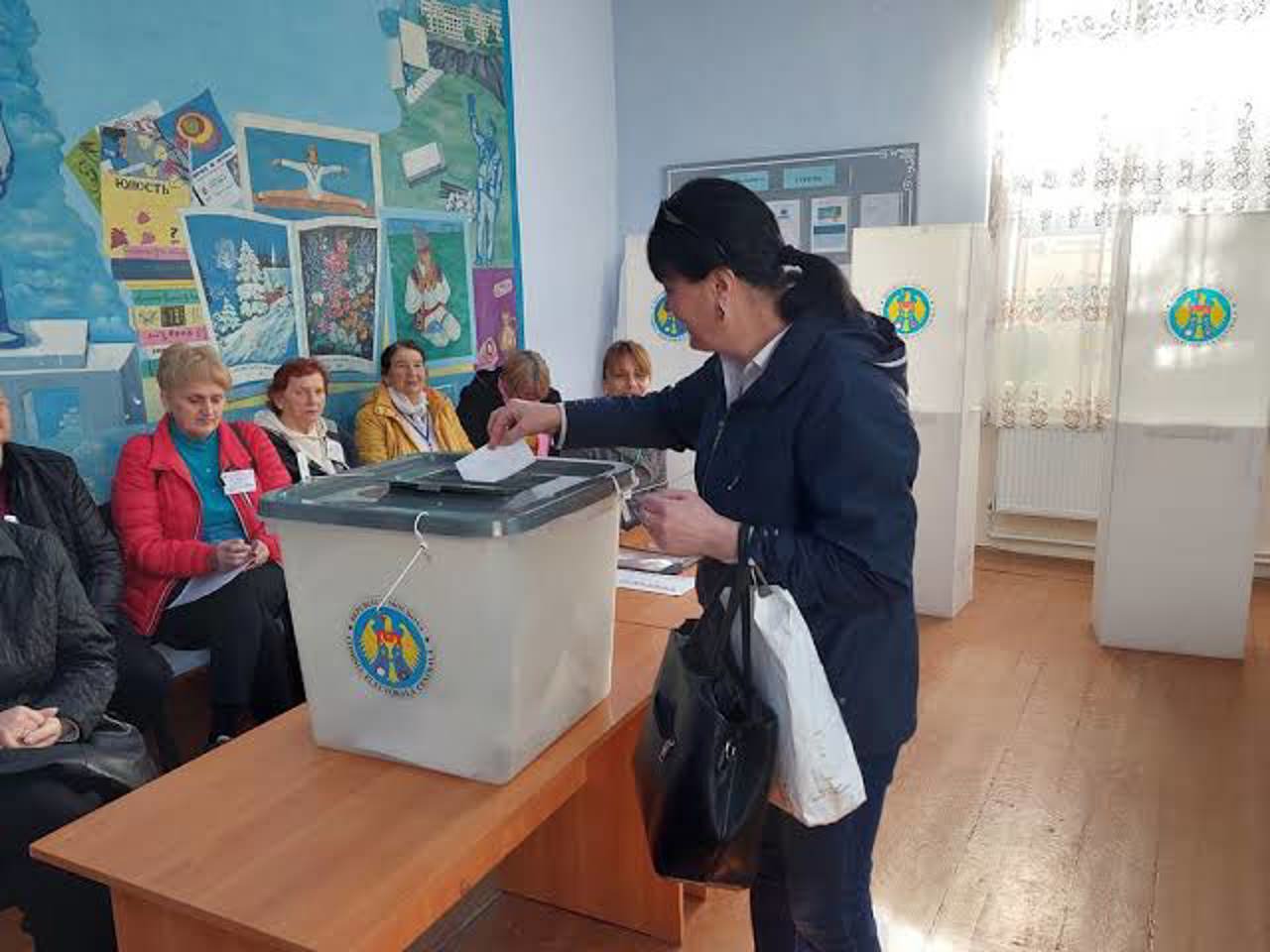
Promo-LEX has identified sharp disparities in voter-to-candidate ratios across Gagauzia's 35 electoral districts ahead of the November 15 vote for the People's Assembly, with figures ranging from 101 to 2,310.
One seat, vastly different numbers of voters
A total of 134 candidates are now competing for 35 seats in the People's Assembly of Gagauzia, following the withdrawal of one candidate. Eight candidates are also running for Governor (Bashkan) of the autonomous region.
Chirsova has the largest field, with seven candidates, followed by Copceac with six. At the other end of the scale, only one candidate is registered in Chioselia Rusă. Four other districts – Vulcanesti, Besalma, Cioc-Maidan and Joltai – have two candidates each.
The number of eligible voters also varies considerably between districts.
Baurci is the largest electoral district, with 6,847 registered voters, while Carbalia is the smallest, with just 402. This means Baurci has roughly 17 times as many voters as Carbalia, although each district elects one member of the People's Assembly.
In Carbalia, four candidates are competing for 402 voters, or approximately 101 voters per candidate. In Cotovscoe, five candidates are competing for 744 voters, giving each candidate a ratio of about 149 voters.
The figures are considerably higher in other districts. In Vulcanesti, two candidates are competing for 4,619 voters, or approximately 2,310 voters per candidate. The corresponding figures are 2,282 in Baurci and 2,169 in Ceadir-Lunga.
In Chioselia Rusă, 588 voters have just one candidate to choose from. However, an uncontested candidacy does not automatically guarantee a seat. The candidate must secure more than half of the valid votes cast.
Electoral thresholds and runoff rules
Under the special provisions of Moldova's Electoral Code, at least 25% of registered voters must participate for the first round to be valid.
If no candidate secures more than half of the valid votes, a runoff is held between the two candidates who received the most votes. The candidate with the highest number of votes in the second round wins.
At least 20% of registered voters must participate for the runoff to be valid. If this threshold is not reached, a repeat vote is organized with the same candidates, regardless of turnout.
Women account for just 17.2% of candidates
Promo-LEX data show that women remain underrepresented in the race for the People's Assembly.
Of the 134 registered candidates, 23 are women, accounting for 17.2% of the total. The remaining 111 candidates are men, or 82.8%.
This means roughly one in six candidates is a woman. Promo-LEX stresses that these figures reflect the composition of the candidate field, not the future makeup of the People's Assembly, which will depend on the results in each electoral district.
Compared with the 2021 elections, the initial number of candidates rose from 123 to 135 in 2026, an increase of approximately 9.8%.
The breakdown by political affiliation, however, requires a qualification. Promo-LEX's October 15 report counted 92 independent candidates and 43 party nominees. Separate reports by Moldova 1, citing Central Electoral Commission data, gave a different breakdown: 93 independents and 42 party-backed candidates. Both accounts recorded 135 candidates before the subsequent withdrawal of one independent contender on October 20.
The five parties identified by Promo-LEX were the Party of Socialists of the Republic of Moldova, with 23 candidates; the Gagauz People's Party, with nine; the Moldoveni Alliance, with seven; the For the Country Party, with two; and the National Alternative Movement, also with two.
Despite the discrepancy in the initial figures, both sources point to a greater role for political parties in the 2026 election compared with 2021, when 23 of the 123 candidates were nominated by political formations.
Three candidates are running for both elected offices
Promo-LEX has also highlighted that three candidates for Governor of Gagauzia are simultaneously seeking seats in the People's Assembly. They are registered in the Vulcanesti, Copceac and Comrat electoral districts.
The election monitoring mission says the law allows candidates to run for both positions. However, if a candidate wins both mandates, they must give up one, potentially triggering a new election either in the affected district or across the autonomous region.
Promo-LEX says its candidate figures reflect the situation as of October 14, while voter numbers are based on data supplied by the Central Electoral Commission on October 2. The withdrawal of independent candidate Artiom Sary from Comrat electoral district No. 2 was approved on October 20, reducing the total number of candidates from 135 to 134.
On November 15, residents of Gagauzia will elect both their Governor and members of the People's Assembly. Eight candidates are registered for the governor's post, while 134 are competing for the 35 legislative seats.
Ballots to be printed in three languages
Electoral authorities will print 129,390 ballots for each of the two elections. The ballots will be available in Romanian, Russian and Gagauz.
Russian-language ballots will account for the largest share, with 100,740 printed for each election. Another 20,500 will be printed in Gagauz and 8,150 in Romanian.
According to Moldova's Central Electoral Commission, 129,179 eligible voters were registered in the Autonomous Territorial Unit of Gagauzia as of October 23.
Voters will be able to cast their ballots at 67 polling stations across the region.
Translation by Iurie Tataru
RELATED COVERAGE
- Candidates can withdraw from the Gagauzia elections until November 5
- Gagauzia to print over 258,000 ballots for Nov. 15 dual elections
- Gagauzia opens 67 polling stations for regional elections on Nov. 15
- Election campaign starts in Gagauzia for the November 15 vote
- Moldova opens Gagauzia election race under new voting rules