Women in politics: Moldova among few countries led by a female president
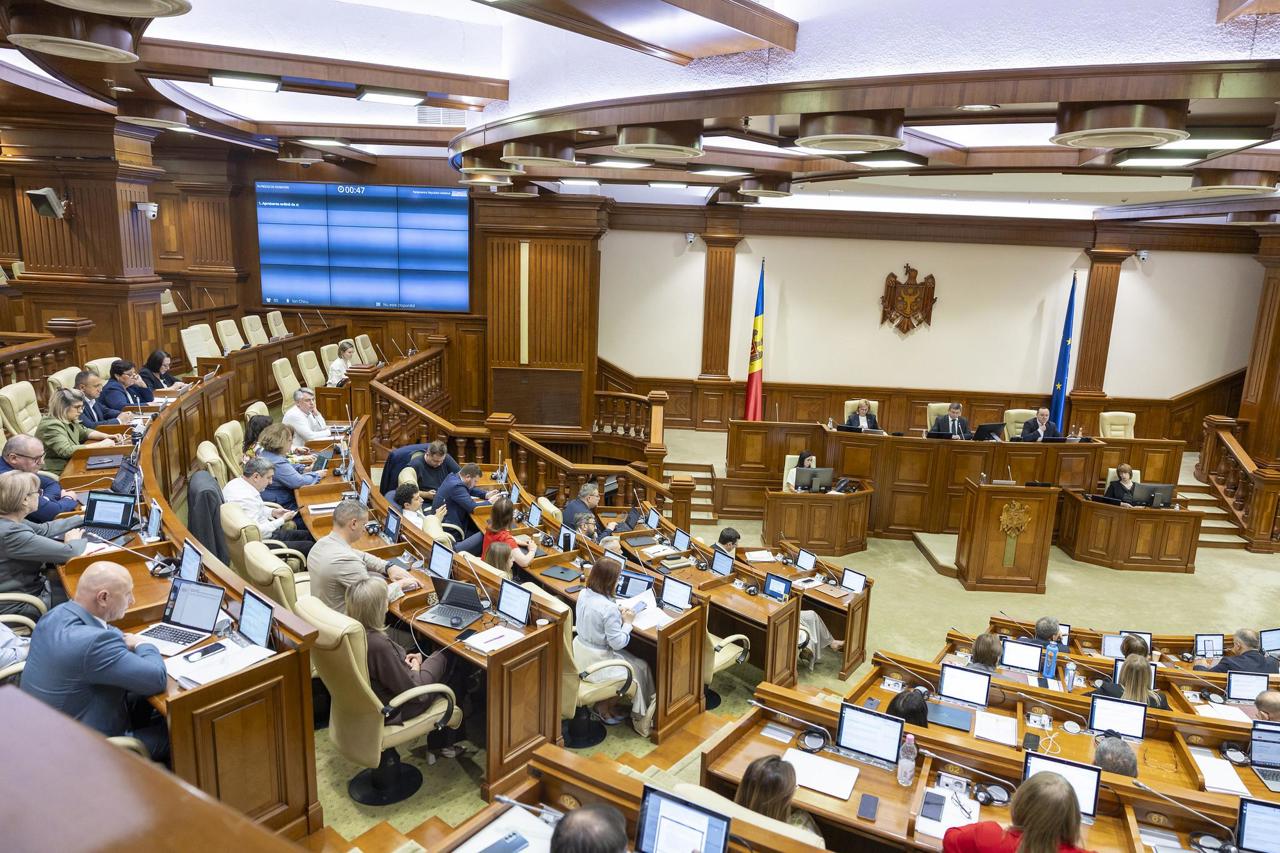
The Republic of Moldova has made significant progress in increasing women’s representation in public life. However, this progress is overshadowed by a rise in online hate speech, which discourages women from engaging in politics and seeking public office, the country’s development partners warn.
Daniela Gasparikova, Resident Representative of the United Nations Development Programme (UNDP) in the Republic of Moldova, said a genuine democracy requires direct involvement of both genders in major state decisions.
"Democracy cannot be fully representative if women do not have equal opportunities to participate in decision-making processes. It is about ensuring their participation, including the opportunity to set political priorities on an equal footing with men," stated Daniela Gasparikova during the conference "Agenda for action: Women’s participation in political life in Moldova," held on November 5.
The UNDP representative emphasized that formal progress does not automatically translate into equal opportunities for participation or the exercise of political leadership. The barriers are complex, and new technologies present additional challenges for women in public life.
"The digital space has created new opportunities for women’s political engagement, offering them visibility and influence; however, this same digital space has also facilitated new forms of harassment—sexist discourse and violence against women in politics", noted Daniela Gasparikova.
President Sandu and the 48% female representation in Parliament: benchmarks for women’s participation
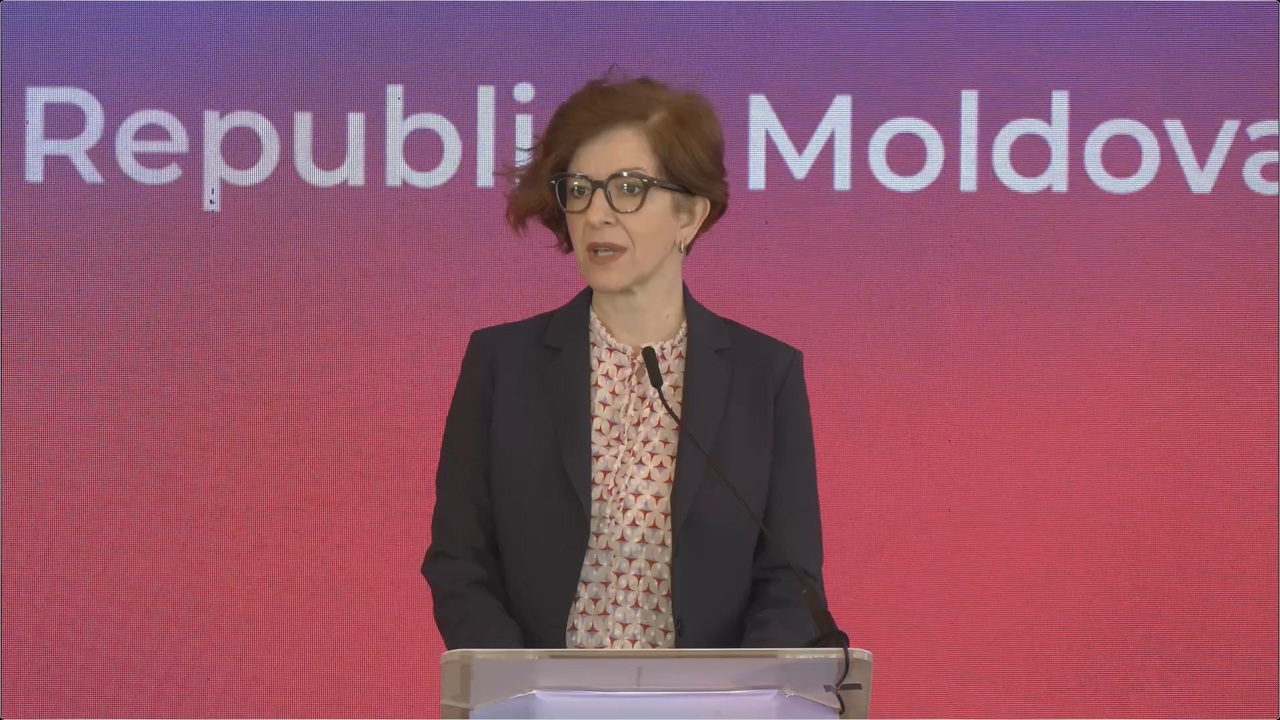
Dominika Stojanoska, UN Women Country Representative in the Republic of Moldova, emphasized that women’s participation in decision-making processes is a right guaranteed by the Constitution of the Republic of Moldova and the Convention on the Elimination of All Forms of Discrimination against Women (CEDAW), to which the country is a party.
"Decisions that are made must address the needs of society. This ensures a higher level of public trust," stated Dominika Stojanoska.
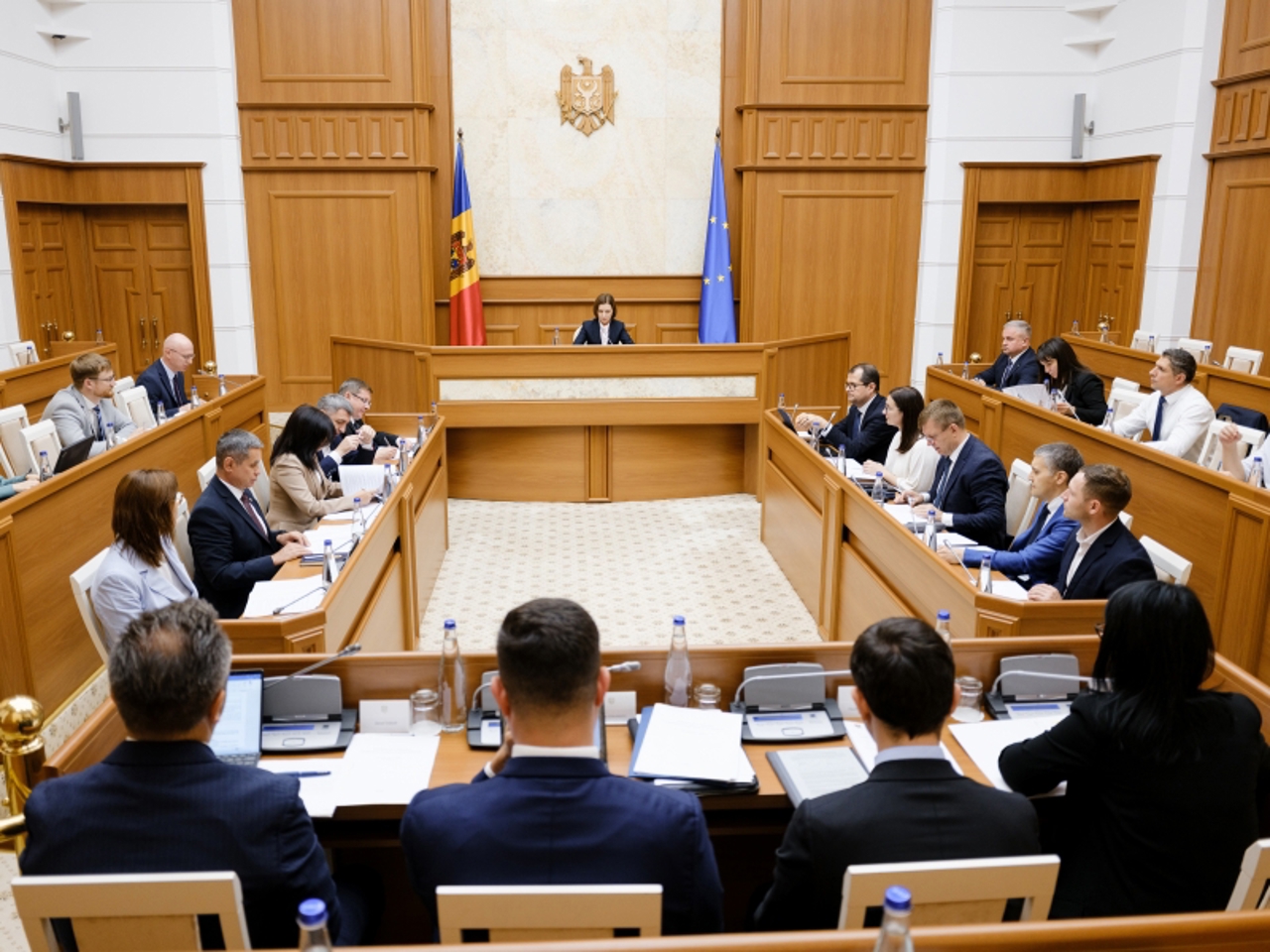
The UN Women representative highlighted the Republic of Moldova’s advanced standing within international trends regarding the proportion of women in Parliament and at the helm of the state.
"According to the latest data, women globally hold 27% of parliamentary seats and 22.4% of government positions. Furthermore, some states have never had a woman lead the country. At the current pace, global parity might not be reached until 2063. Fortunately, the Republic of Moldova is an exception. A woman leads the country—making it one of only 27 states globally with a female president or head of government—and women account for 48% of parliamentary representation," noted Dominika Stojanoska.
At the same time, Stojanoska drew attention to the serious nature of gender stereotypes, underscoring the importance of finding solutions to curb the waves of discriminatory messages that hinder women’s involvement in political life. "It is necessary to combat not only discriminatory attitudes but also systemic barriers—both physical and digital—that expose women in leadership roles to targeted abuse. This is an obstacle that effectively excludes women from politics and undermines their resolve to participate on an equal footing in decision-making processes," added the UN Women Country Representative in the Republic of Moldova.
“Women’s participation in politics is not a talent show”
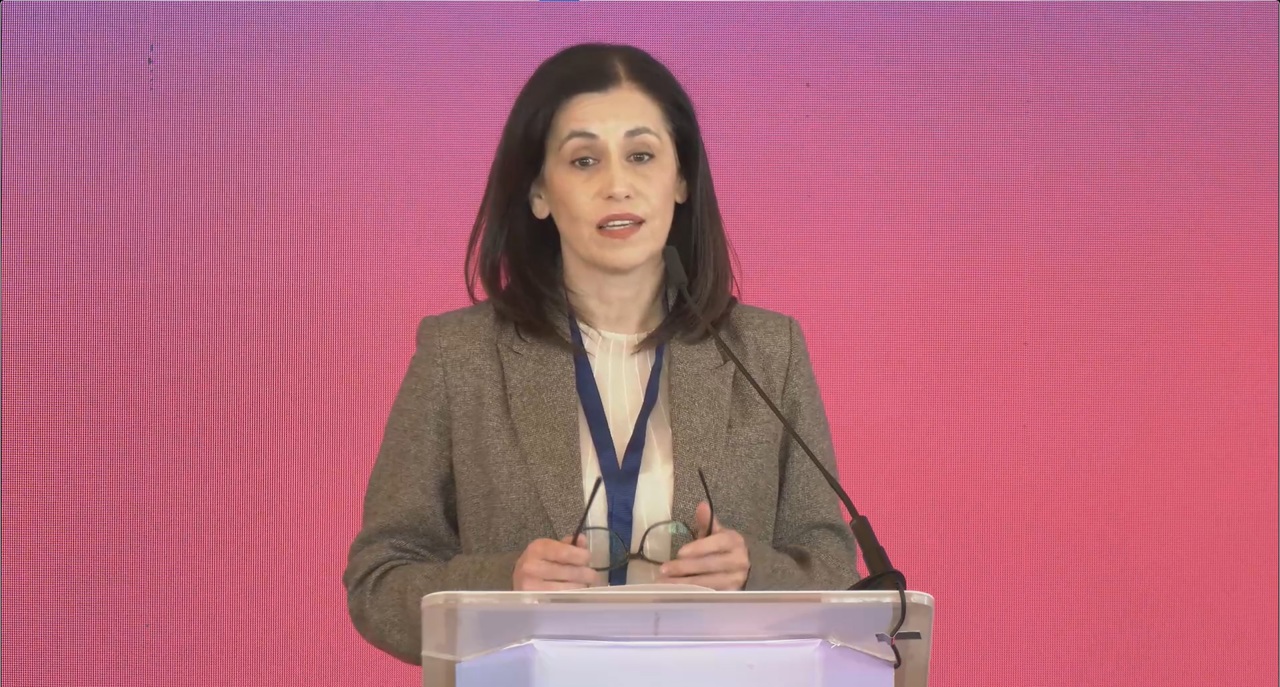
Natalia Voutova, Head of the Council of Europe Office in Chisinau, has highlighted the double standard in evaluating women's political work compared with men's.
“Men are never asked to justify their presence in Parliament or in politics, but women are. Their representation in political life subjects them to a constant assessment of their performance,” stated Natalia Voutova.
She added that equality also entails the right to hold opinions—or even to make mistakes—without a woman’s political mandate being called into question.
“Men are sometimes allowed to be harsh, yet they retain their positions. Women, too, must be granted that same flexibility: the freedom to be excellent, to be average, to be mediocre, and the freedom to make mistakes. Women’s participation in politics is not a talent show. In fact, it is a mirror of society,” said Natalia Voutova.
Women: Targets of disinformation campaigns
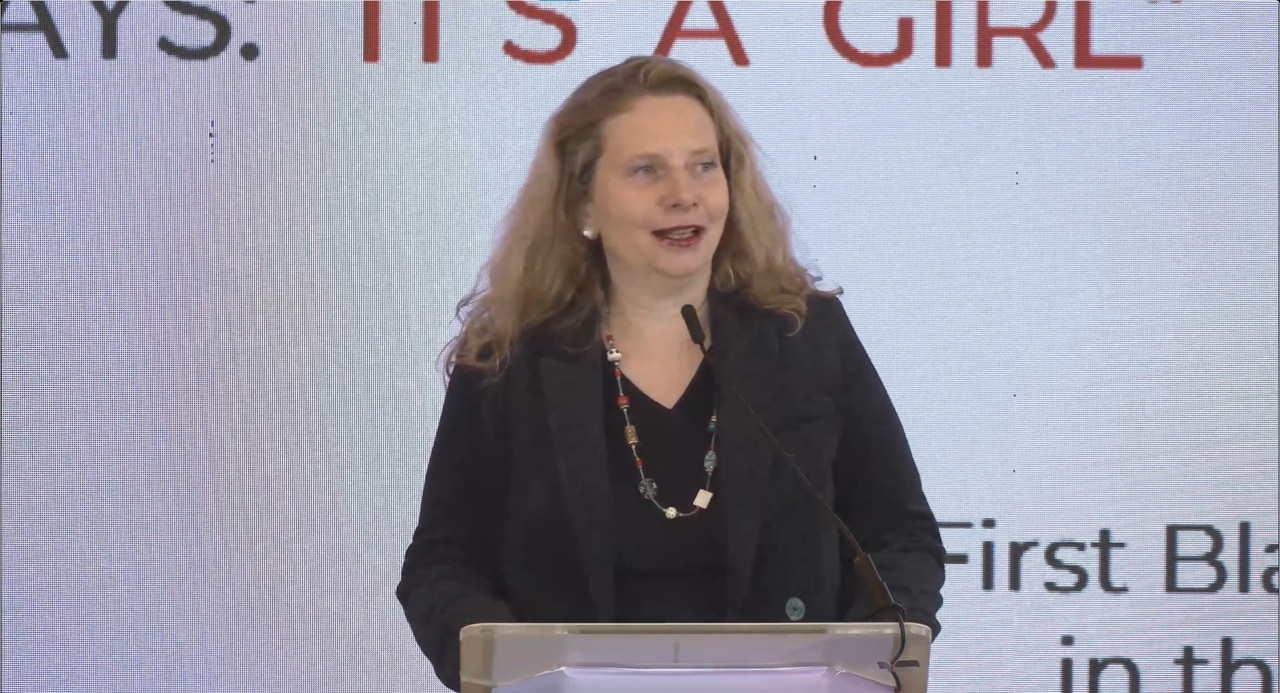
Kirsten Joppe, Head of the European Union Partnership Mission in the Republic of Moldova, has highlighted alarming data regarding the high level of harassment faced by women during election campaigns.
"As cyber threats continue to intensify, women are being deliberately targeted. Eight out of ten female candidates in the 2025 elections have encountered some form of abuse during the election campaign—most commonly psychological abuse and sexist threats. These tactics have effectively become a tool to discourage women from participating in politics," stated Kirsten Joppe.
Such attacks have escalated alongside digitalization and the development of artificial intelligence. According to recent reports, more than half of the hate speech incidents recorded during last year’s elections took place online—primarily on Telegram, TikTok, and Facebook.
"Women have been the primary target, and the consequences are clear: abusive discourse undermines both participation and democratic debate", said the Head of the European Union Partnership Mission in the Republic of Moldova.
A culture of zero tolerance for violence is essential
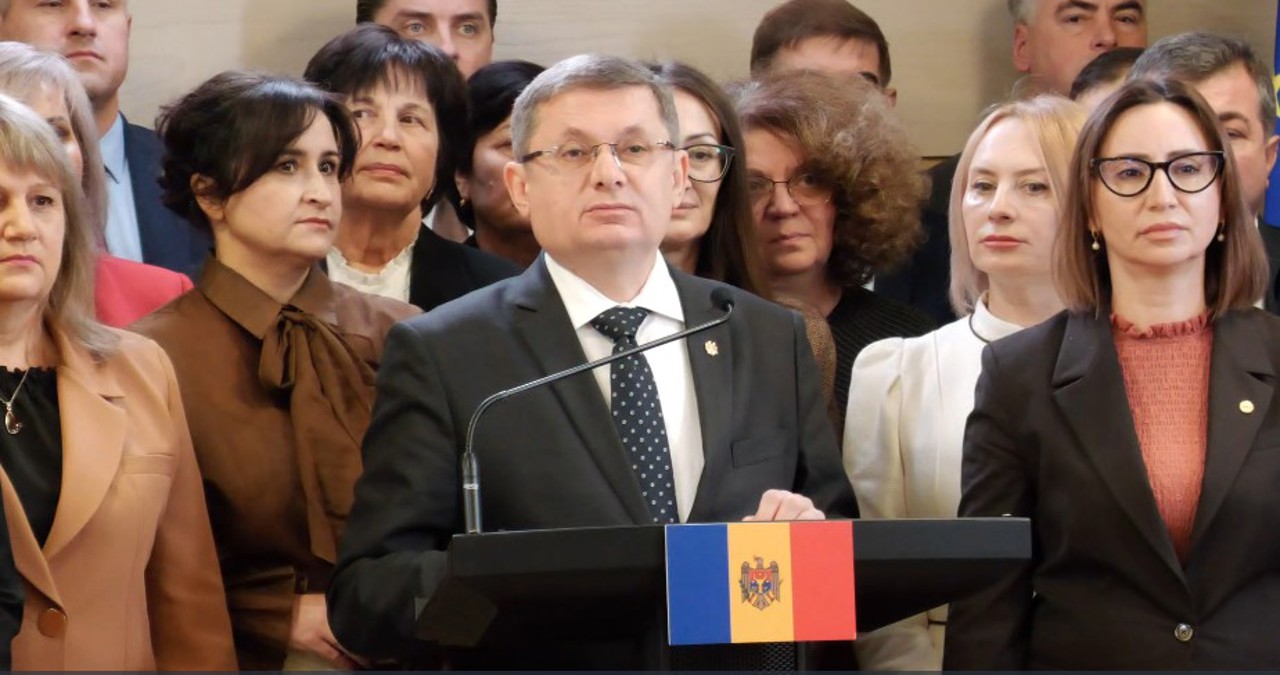
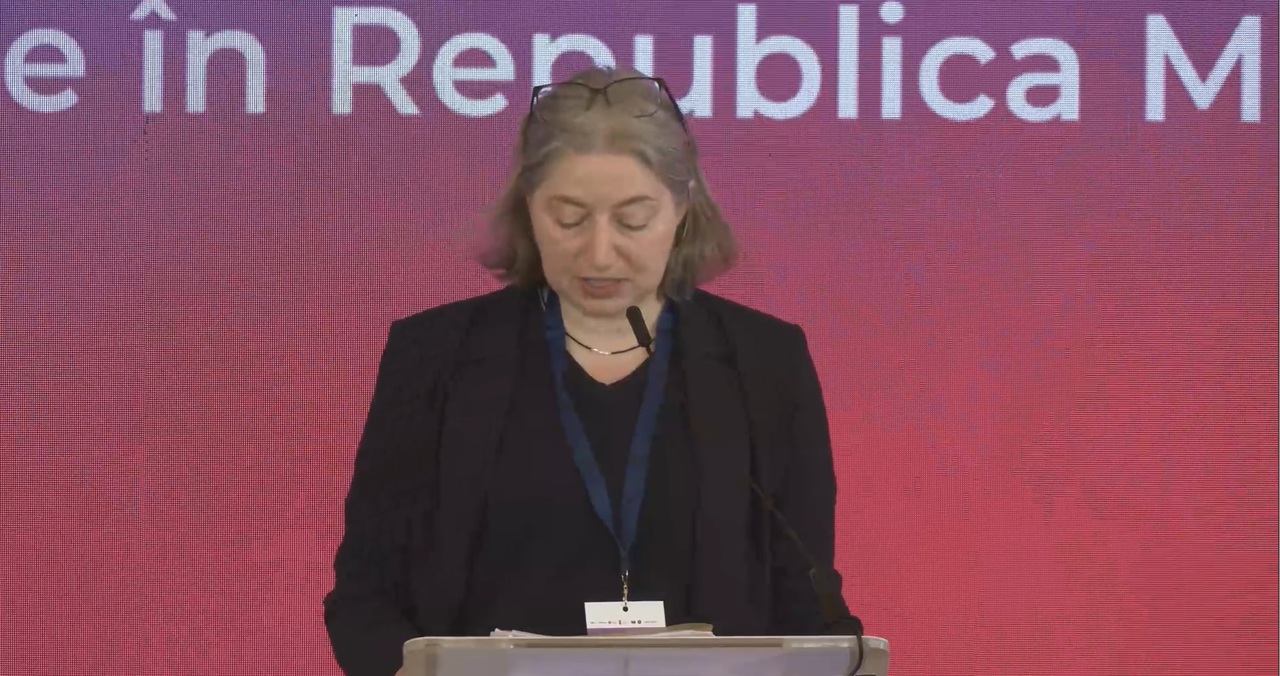
Member of Parliament Marcela Adam, representing the Platform of Female MPs (PFD), highlighted the challenges women candidates face during election campaigns.
“Women have access to far fewer campaign resources than other candidates. Regrettably, the number of people who believe women have no place in politics is growing, even among younger generations. The unequal sharing of caregiving responsibilities also remains a major obstacle to women’s participation in public life”, Marcela Adam said.
The MP called for a change in political culture, urging a shift away from personal attacks towards debates focused on ideas.
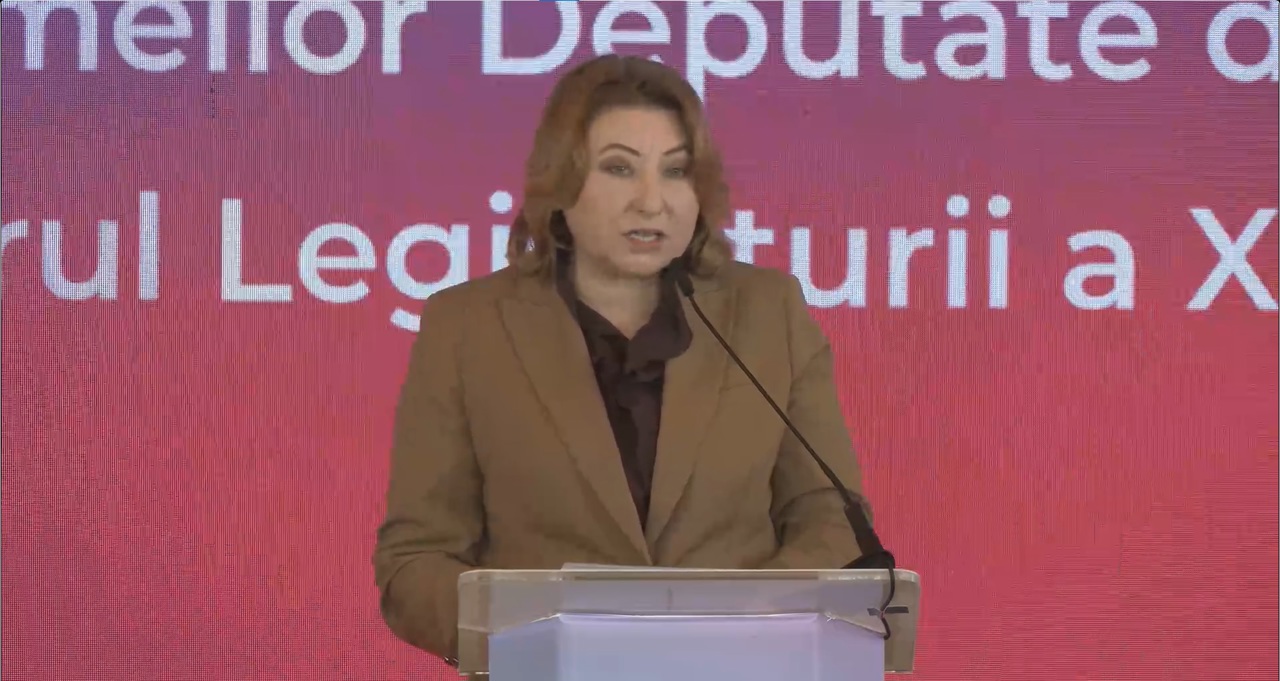
The MP also noted that public perceptions remain a decisive factor in women’s success in public life, directly influencing the credibility of political actions and decisions.
“Women’s political participation begins with how society perceives them. When more and more people, including young men and women, question women’s place in politics, stereotypes become a real barrier within political parties, during elections, and in public life. That is why combating discrimination and gender stereotypes remains a priority for us”, Marcela Adam concluded.
The conference, titled “Agenda for action: Women’s participation in political life in Moldova,” was held in Chișinău on November 5.