Moldovan PM urges local interceptor drone output to bolster defense
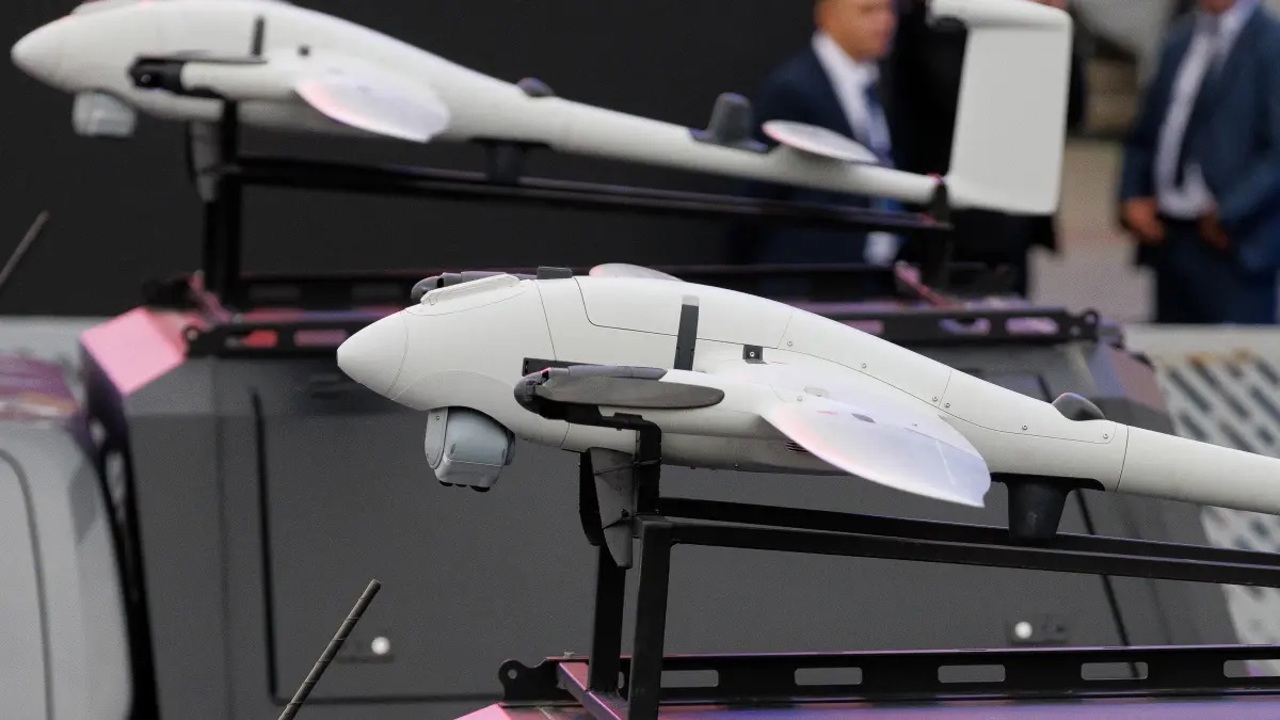
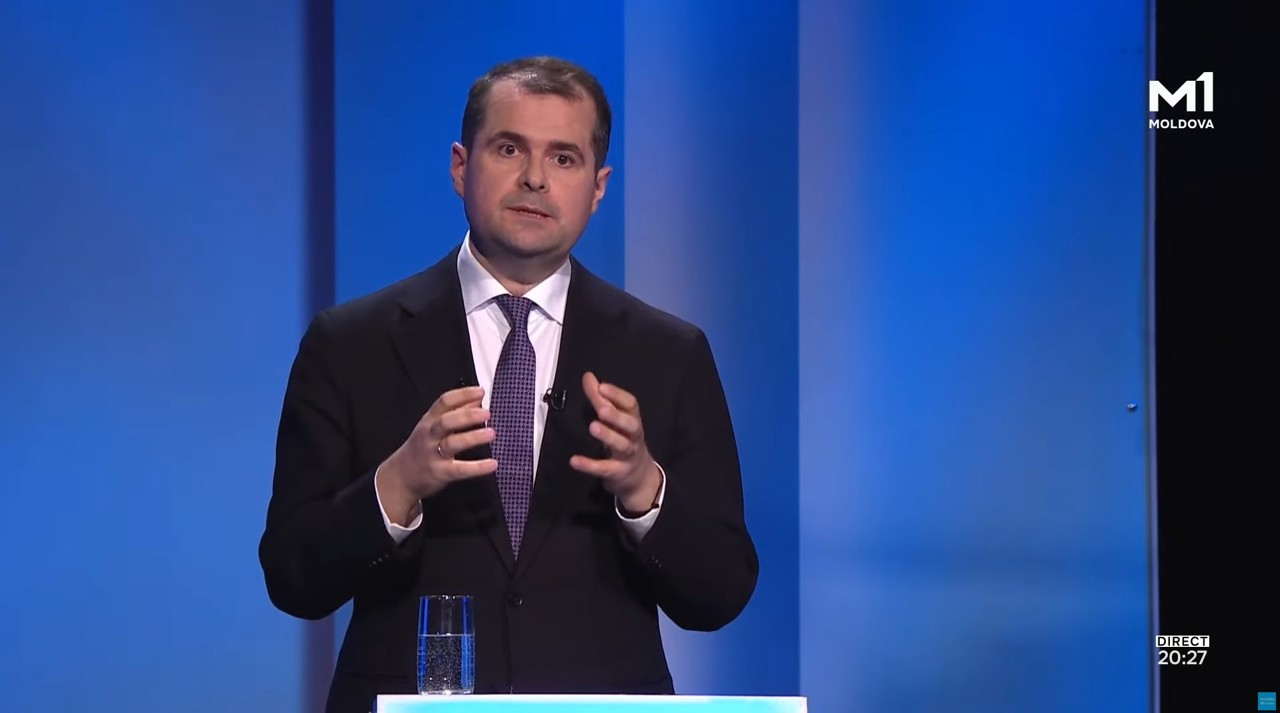
Moldova must build domestic interceptor drones and modernize its military despite constitutional neutrality, Prime Minister Vasile Tofan said on public broadcaster Moldova 1, as defense spending remains at 0.6% of GDP.
Speaking on the Bună seara talkshow, Tofan compared Moldova's military budget with European and Baltic benchmarks. He noted that Lithuania allocates 5.4% of GDP to defense—nearly 50 times Moldova's total defense spending in absolute terms.
Despite tight fiscal constraints, Tofan said gradual investment in military equipment and training is unavoidable.
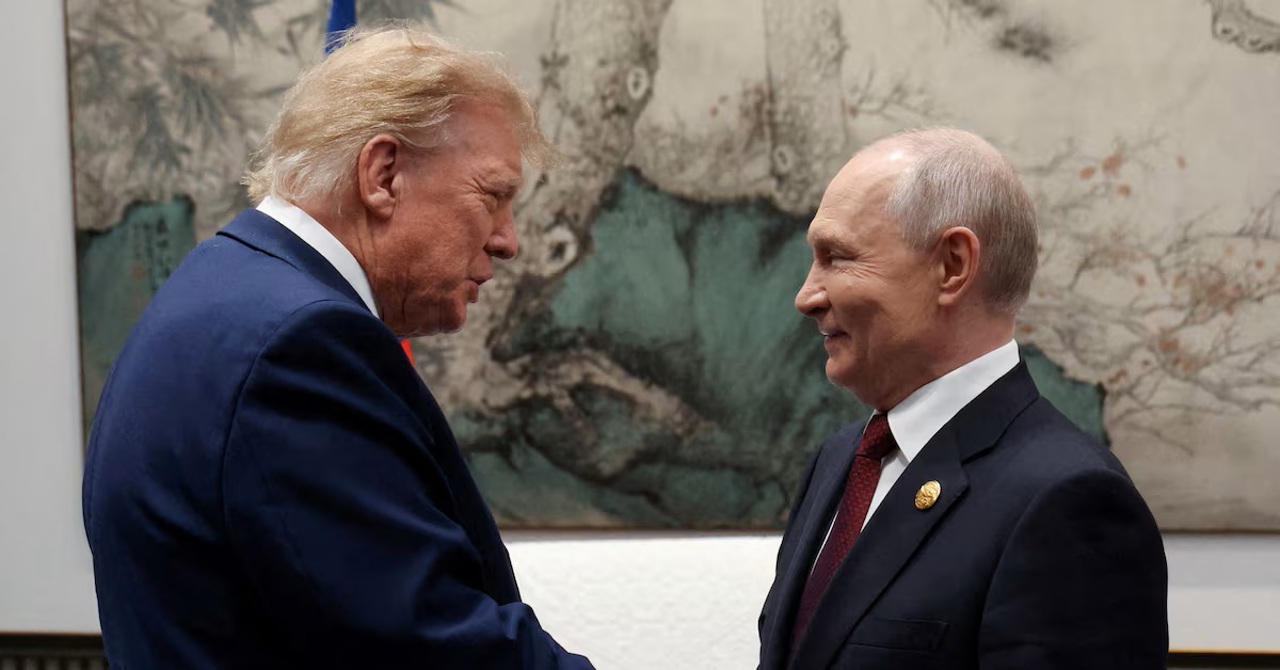
“Defense accounts for 0.6% of our GDP. Donald Trump is telling Europeans they must spend 5%—it started at 2% and demands have grown,” said Tofan. “On the one hand, we must strengthen our defense and, with the limited resources we have, invest in our soldiers, equip them, and train them.”
European ties and criticism of opposition
Beyond hardware procurement, Tofan said Moldova's primary guarantee of peace and security remains its close partnership with European allies. He also criticized parts of the domestic opposition, accusing them of spreading disinformation and fueling public fear.
“Our main source of security and peace is our very close relationship with our European partners, who we know defend us and care about our security,” said Tofan. “I am deeply alarmed by some opposition figures who spread chaos everywhere and frighten people into believing we want to drag the country into war, because they do not want what is best for the country.”
He added that those political actors benefit from public anxiety and instability. “Sometimes I get the impression they want to set this country on fire, but we will not let them do that,” said Tofan.
Local engineering capacity for drone output
Tofan said Moldova already has skilled engineers, electricians, and mechanical specialists working in the wiring harness industry, particularly in the north of the country. He argued that a new legal framework should harness this local workforce to manufacture interceptor drones domestically.
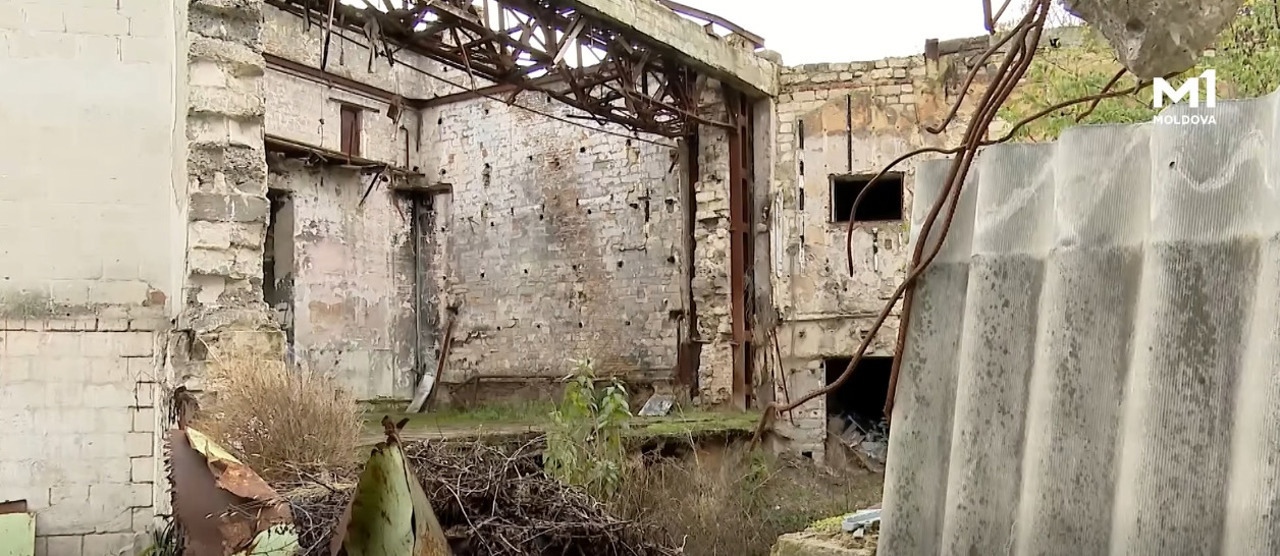
The prime minister also rejected opposition claims that drones violating Moldovan airspace or crashing on Moldovan territory were Ukrainian, stating that recovered unmanned aerial vehicles shown to the public were Russian-made.
“We should not be overly cautious or afraid of our own shadow, buying foreign drones instead of producing our own,” said Tofan. “We can no longer ignore reality. We can be a neutral state, yet one with a capable, self-respecting military that we must gradually strengthen.”
Relations with Moscow and Russian embassy warning
Addressing bilateral ties with Moscow, Tofan said Chișinău wants peaceful relations and normal trade with Russia, but argued that the current Kremlin leadership seeks to restore its empire and undermine neighboring states. He added that Ukrainian military resistance currently shields Moldova's own freedom.
“We want a peaceful relationship with Russia. Nothing would make us happier than for Russia to be a normal country to which we could export and with which we could maintain normal ties,” said Tofan. “Unfortunately, it is currently led by people who want to rebuild an empire, and this Kremlin administration's goal is to undermine surrounding countries. They have very detailed plans regarding Moldova.”
Tofan's remarks follow a November 25 televised statement by President Maia Sandu, who said Moldova could begin producing interceptor drones in 2027 using technology transferred from Ukraine.
That same evening, the Russian Embassy in Chișinău issued a statement alleging an unspecified “anti-Russian provocation” that it said would severely worsen bilateral relations, without providing evidence to support the claim.
Political analyst Anatol Țăranu told Radio Moldova that Moscow's accusations are unfounded, noting that Chișinău has no interest in escalating tensions.
“Chișinău has no interest in this, at least based on everything visible and publicly known,” said Țăranu. “The war in Ukraine has pushed Moldovan-Russian relations into crisis, and it is unclear why Chișinău would want to deepen that crisis.”
Translation by Iurie Tataru
RELATED COVERAGE
- Moldova to produce anti-drone systems to counter Russian hybrid war
- Moldova Tofan government strategy for EU accession and defense
- Moldova ratifies Ukraine defense pact amid neutrality debate
- Moldova's main threat is Russia, Sandu tells NATO assembly
- Neutrality fails to protect Moldova from Russia, Maia Sandu warns