MAI subdivisions’ employees to benefit from portable cameras to prevent child trafficking from Ukraine
The United Nations Children's Fund (UNICEF) in Moldova donated 240 portable cameras and equipment, worth $300,000, to the Ministry of Internal Affairs’ (MAI) subdivisions to help prevent the trafficking of children and women from Ukraine. The cameras will contribute to the efficiency of surveillance and control measures and will be worn by security personnel, who are active on the territory of the country and at five border points of Moldova, including Palanca, Tudora and Leușeni.
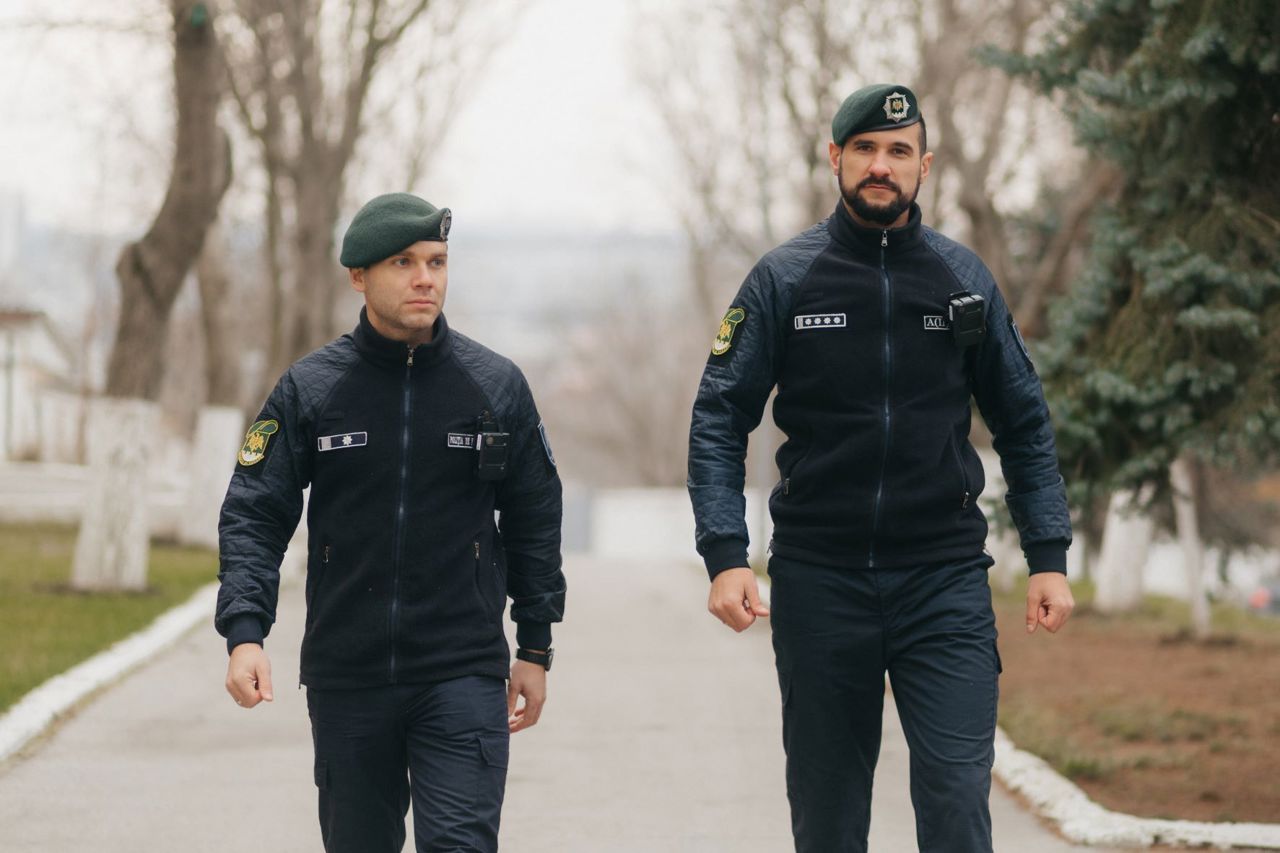
"This equipment will enable them to gather audio-video recordings of refugees arriving and departing from the main border crossing points, as well as those who decide to stay in the country, becoming a particularly valuable tool when large flows of travellers, when children and women may face more risks", the MAI said in a statement.
Furthermore, according to the source, representatives of the law enforcement authorities will be able to ensure better identification and, accordingly, registration and immediate referral of children at risk of the unaccompanied and separated fleeing war. The equipment will also enable the recording of audio-video evidence for the purpose of prosecuting criminals such as traffickers or abusers.
Children at risk, especially those separated or unaccompanied by parents or caregivers, are particularly vulnerable to many types of violence, trafficking or exploitation.
"Many Ukrainian children cross the border accompanied by neighbours, distant relatives or alone, and these children are at high risk of abuse and exploitation. These cameras will strengthen the range of child protection services that UNICEF has already offered to frontline service providers since the beginning of the conflict," said Maha Damaj, UNICEF representative in Moldova.
To date, over 600,000 refugees from Ukraine have entered the territory of the Republic of Moldova for safety and protection, including over 100,000 children. Of these, almost 800 were separated from their parents, carers or were unaccompanied.