Brussels targets Russian crypto and Central Asian sanctions evasion
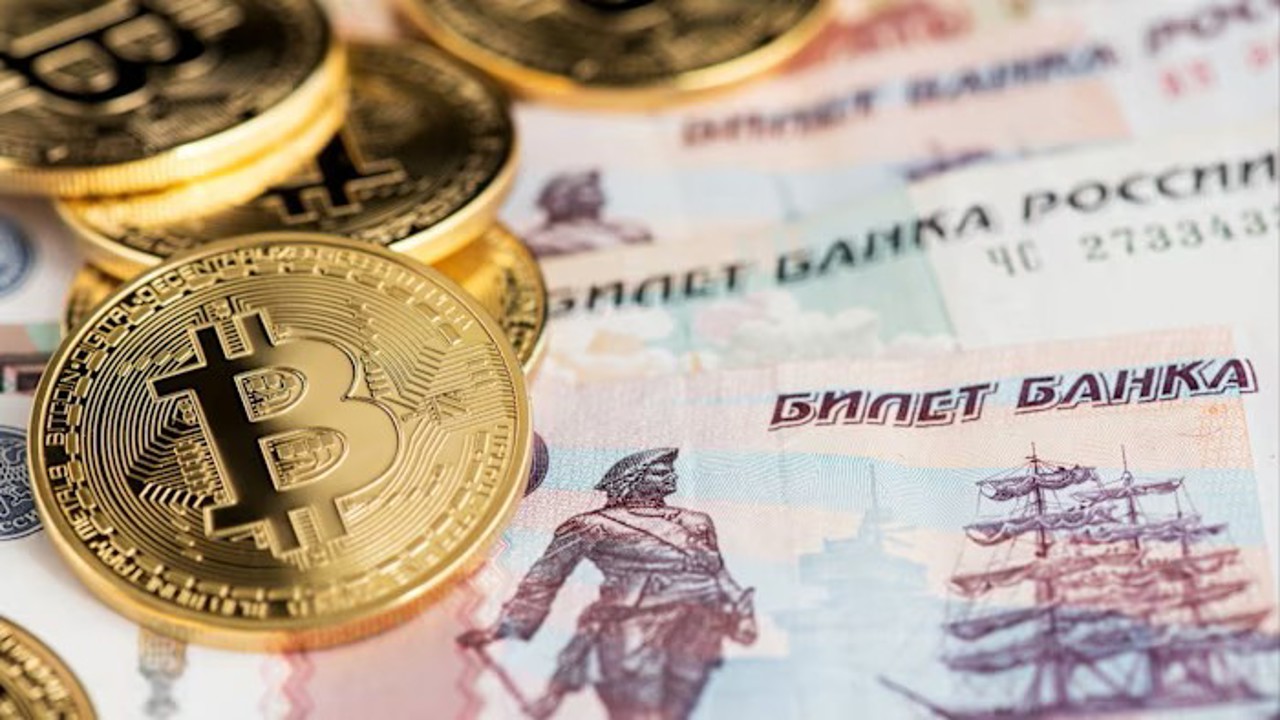
The European Commission has proposed a comprehensive blanket ban on all Russian-linked cryptocurrency operations. This strategic shift aims to dismantle the financial infrastructure used by Moscow to bypass international restrictions.
According to internal documents seen by the Financial Times, Brussels is moving away from blacklisting individual firms. The previous approach proved ineffective as new entities frequently emerged to replace sanctioned ones.
Targeting systemic evasion
The proposal prohibits all interactions with Russian-based crypto service providers and platforms. This includes blocking successors to Garantex—Russia's largest crypto exchange—and restricting the A7 payment platform, including its A7A5 stablecoin.
Furthermore, the Commission seeks to sanction an additional 20 banks. The measures also include a total prohibition on operations involving the Digital Ruble issued by the Central Bank of the Russian Federation.
Secondary sanctions on Kyrgyzstan
Brussels is also targeting "triangular trade" through Kyrgyzstan. The proposal seeks to ban the export of dual-use goods, such as industrial machinery and electronics, to the Central Asian nation.
European Commission data reveals a suspicious surge in trade: EU exports of high-priority goods to Kyrgyzstan rose by 800%, while Kyrgyz exports to Russia jumped by 1,200%. EU Special Envoy David O'Sullivan is scheduled to visit the country later this month.
The path to approval
The implementation of these measures requires unanimous approval from all 27 EU member states. Currently, three nations have expressed reservations and requested further technical details.
The Commission aims to finalize the package by February 24. This follows the formal introduction of the 20th sanctions wave by President Ursula von der Leyen on February 6.
Translation by Iurie Tataru