Medicines Commission approved 30+ drugs in February, including 17 new to the Moldovan market
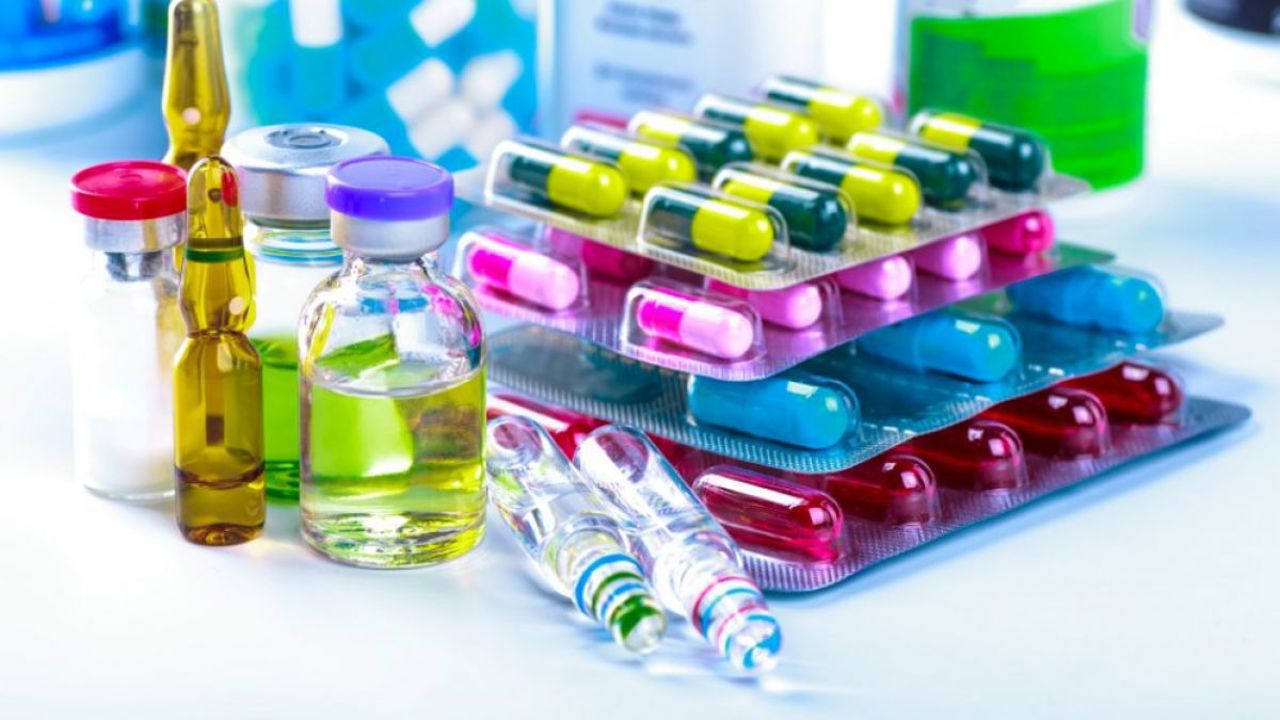
Seventeen new medicines have been introduced in the Republic of Moldova. The Medicines Commission of the Agency for Medicines and Medical Devices (AMDM) authorized a total of 31 medicines on February 25, 17 of which are being launched for the first time.
Among the approved products are Sunubis, indicated for the treatment of various types of cancer in adult patients; Yuvanci, intended for the therapy of pulmonary arterial hypertension; and Tradexera, tablets recommended for adults for the short-term relief of acute pain of moderate to severe intensity.
In the same meeting, the AMDM issued repeated authorizations for 14 additional types of medicines.
According to data from the National Health Insurance Company, over 166,000 people benefited from compensated medicines and medical devices prescribed through the eRețeta automated information system in January. Approximately 102 million lei were transferred to contracted pharmacies for the sale of these compensated products, a total that is nearly 4 million lei higher than in the same period last year.
Of the total allocated funds, about 95 million lei were spent on reimbursed medicines, making the average cost of reimbursed medicines and medical devices per beneficiary 609 lei.
Most of the funds were allocated for treating diseases of the circulatory system, totaling over 46 million lei for approximately 114,000 patients. Significant amounts were also designated for medications intended for endocrine, nutritional, and metabolic diseases, totaling about 32 million lei, which benefitted over 64,000 individuals.
During the mentioned period, the most expensive treatment with reimbursed medicines was for diseases of the skin and subcutaneous cellular tissue, with an average cost per patient exceeding 1,135 lei.
Over 22,000 people benefited from reimbursed medical devices, with a total allocation of over 6.6 million lei.
The CNAM emphasizes that electronic prescriptions can be issued by any doctor, including those in emergency units, as well as by doctors providing community care or palliative care at home. Reimbursed medicines and medical devices can be collected from pharmacies only upon presentation of an identity card, eliminating the need for a paper prescription. Additionally, the electronic prescription can be redeemed in one or more visits to the pharmacy, depending on the beneficiary's needs.