Doctor: "Well water in Moldova is not considered safe"
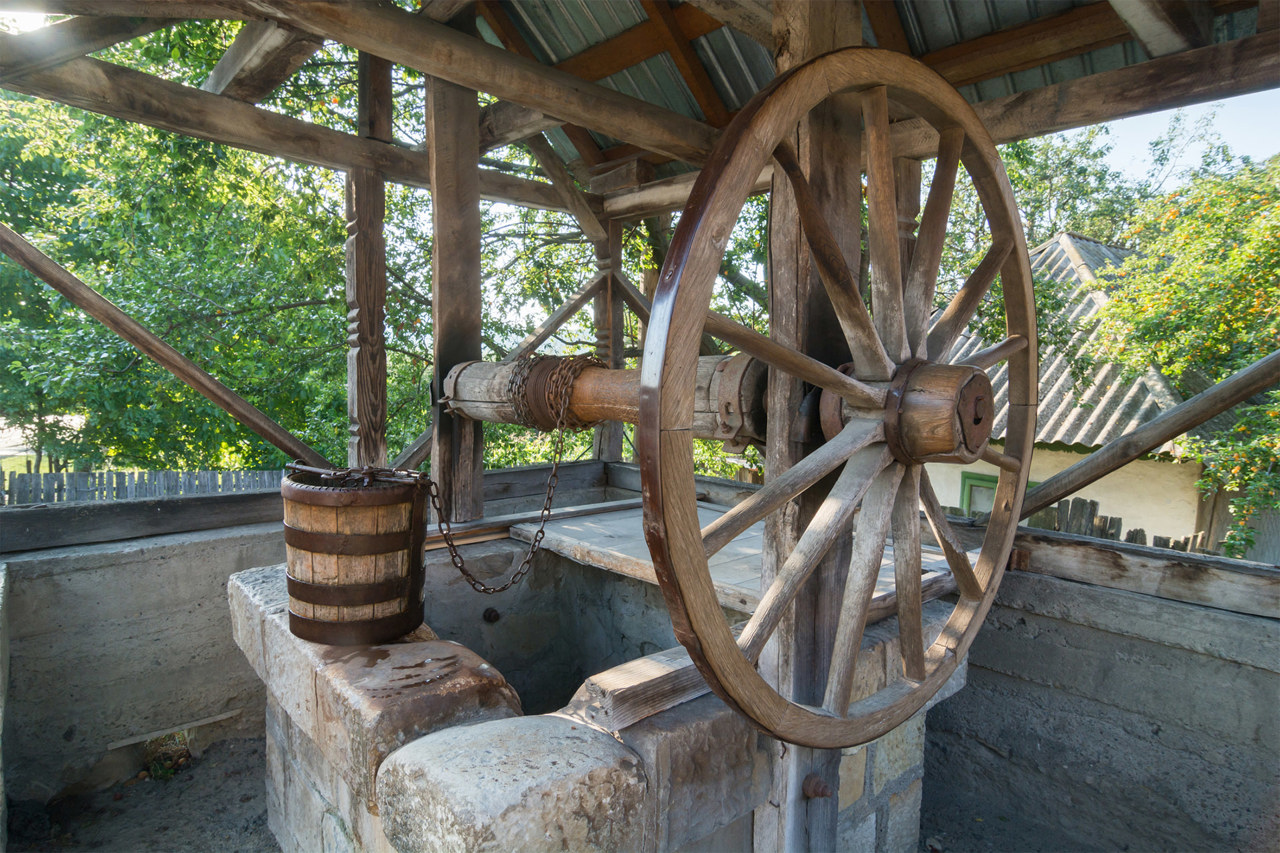
Water quality remains a major issue in Moldova, especially in rural areas where many households rely on well water that fails to meet safety standards. Experts observe that nitrates from agriculture and domestic sources contaminate a significant portion of groundwater.
Liliana Carp, a doctor at the National Agency for Public Health (ANSP), warned on Radio Moldova’s “Zi de Zi” program that well water in Moldova is unsafe. She explained that wells draw from shallow groundwater, remain unprotected, and are often exposed to contamination. Human activity and rural practices further increase the risks.
Recent water quality monitoring shows high chemical and microbiological noncompliance, though 2025 data indicate slight improvements compared with 2023–2024. Some districts, including Bălți, Soroca, Edineț, Ungheni, and Căușeni, still show elevated nitrate levels. High fluoride levels above the safe limit of 1.5 mg per liter have been detected in Hâncești, Ștefan Vodă, Gagauzia, Glodeni, and Anenii Noi.
The main pollutants in well water include nitrates, fluoride, and microbial contaminants such as enterococci and coliform bacteria. Contaminated water can transmit diseases including viral hepatitis A, hemorrhagic enterocolitis, and affect teeth and bones in both children and adults.
Carp advises using water from safe sources, especially public water systems. She recommends regular well maintenance, including cleaning, sludge removal, and disinfection with approved chlorine compounds, and keeping a sanitary protection zone of at least 50 meters around the well. Water should be tested regularly in a laboratory for chemical and microbiological safety.
She emphasized that after heavy rains or snowmelt, wells are more vulnerable to contamination, and well water should never be used for preparing food for young children.
Author: Natalia Mogîldea