Republican Clinical Hospital to create medical waste neutralization facility with EU support
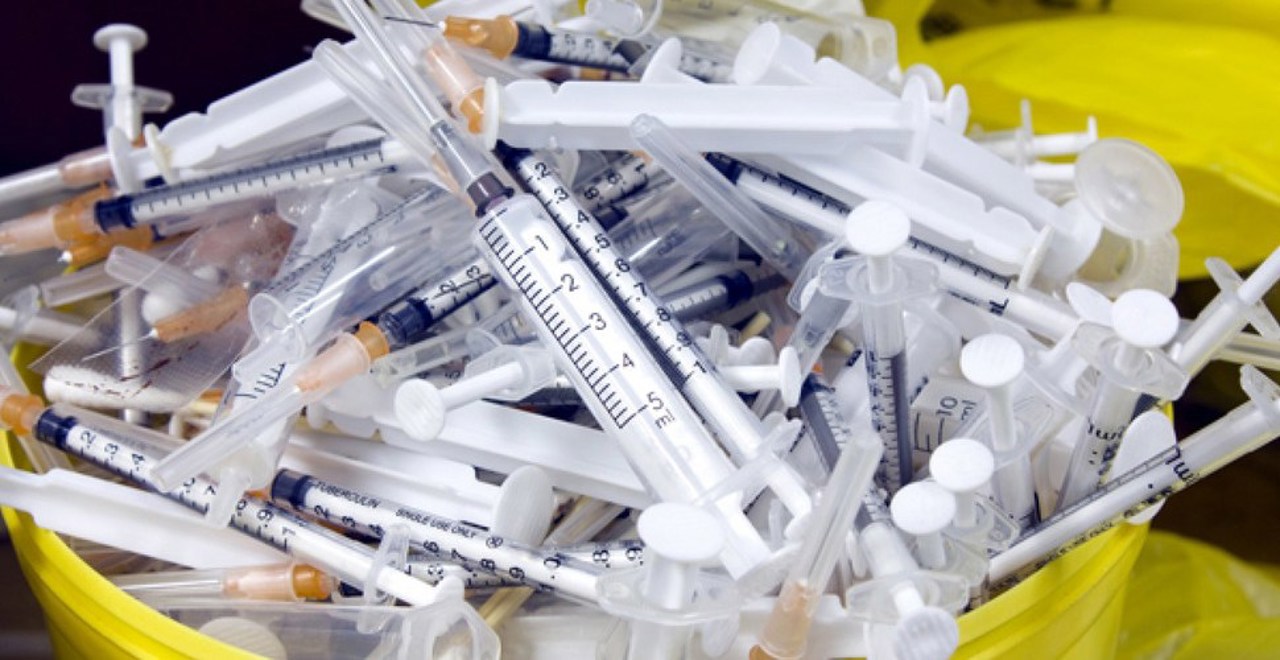
The Republican Clinical Hospital (SCR) "Timofei Moșneaga," with support from the European Union, will construct a facility to install equipment for the neutralization of medical waste. According to the hospital's management, this project is crucial for public health.
The acquisition will take place within the framework of the Interreg NEXT Romania–Republic of Moldova program, a cross-border cooperation initiative funded by the European Union that supports joint projects between the two countries.
Complete documentation can be accessed on the hospital's official website under the heading "Transparency / Public Procurement".
“A prepared medical system means a genuine capacity to respond to epidemic risks and ensure safety for patients and medical staff,” as stated in a press release from the SCR.
The medical system in the Republic of Moldova generates approximately 3,500 tons of waste annually, of which around 15% is classified as hazardous and requires special treatment.
According to data from the National Agency for Public Health, about 11% of the more than 1,300 hospitals inspected last year lacked medical waste management plans.
Angela Paraschiv, the State Secretary of the Ministry of Health, recently mentioned on Radio Moldova that management issues are particularly significant for anatomopathological and pharmaceutical waste.
Diana Manea, the director of the Institute of Emergency Medicine in Chisinau, reported major difficulties in managing anatomopathological waste. Last year, this type of waste could not be buried and is currently frozen at the institution until a solution is found.
Grigore Stratulat, the State Secretary of the Ministry of Environment, stated that a feasibility study is currently underway for the creation of a national center for hazardous waste management. This center will also include the installation of an incineration facility for certain types of waste, with construction expected to be completed by 2028–2029.