Beyond 'Made in Moldova': New labeling push targets ingredient transparency
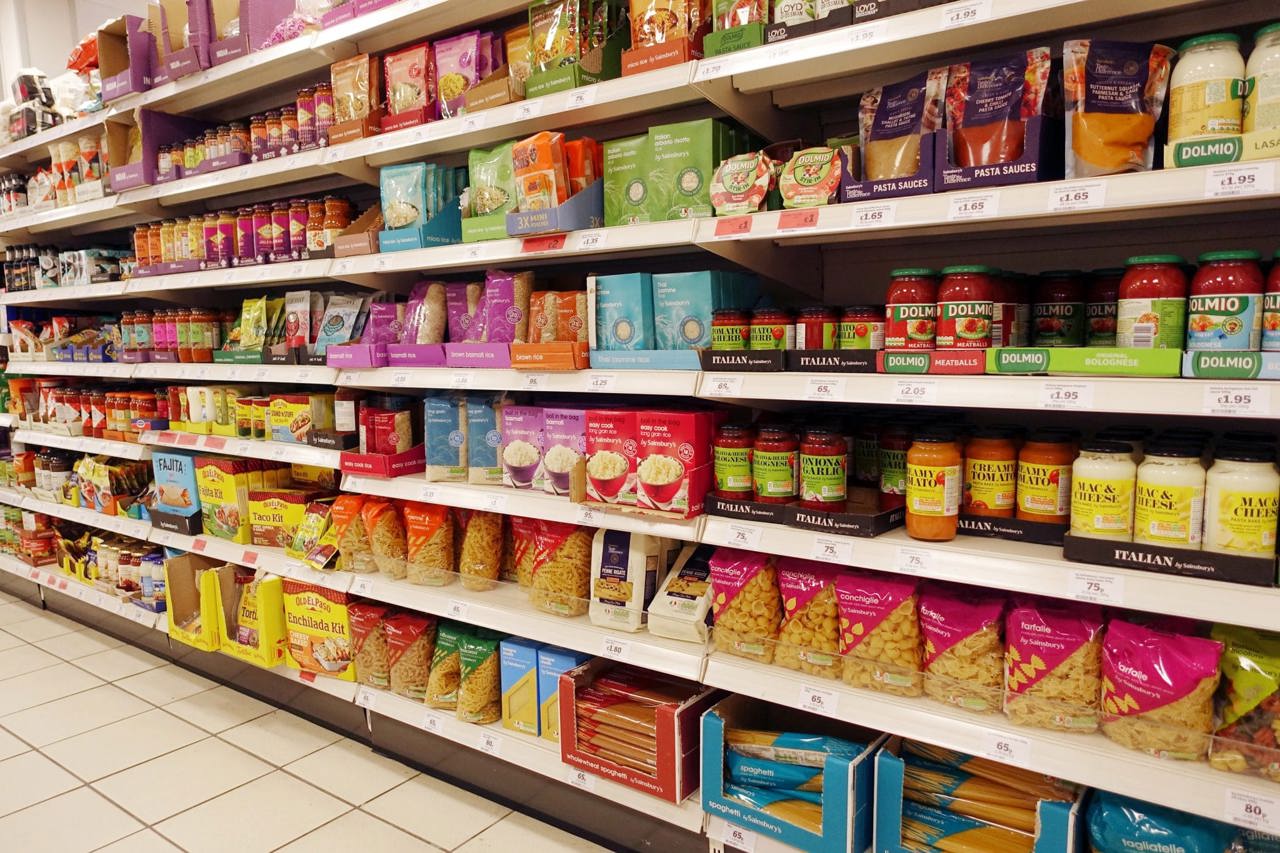
A new civic initiative in the Republic of Moldova is seeking to overhaul food labeling standards, demanding clear disclosure of where primary ingredients originate. Elena Robu, founder of the consumer platform Ce Consum Eu (What I Eat), announced the launch of the "Origin Info" petition during an interview with Radio Moldova.
The movement targets a critical gap in current regulations: the lack of clarity regarding ultra-processed food items (UPFs). Currently, consumers are often restricted to the final "Made in..." claim, which Robu argues puts citizens at a strategic disadvantage when trying to make healthy or ethical choices.
Targeting the dominant ingredients
The "Origin Info" proposal draws direct inspiration from a system recently implemented in France. It suggests a dedicated logo for processed goods that specifies the country of origin for at least the top three ingredients by weight.
This would solve the paradox of domestic labeling. For instance, bread marketed as "Made in Moldova" could finally be identified as being produced with imported flour, providing a more honest narrative for the end-user.
From voluntary to mandatory
While the French model started as a voluntary scheme in 2024, Robu is urging Moldovan authorities to consider a mandatory framework. She argues that this transparency would actually provide a competitive edge to local farmers whose raw materials are often overshadowed by cheaper, untraceable imports.
The initiative is currently gathering momentum online. Once the petition reaches the 5,000-signature threshold, the organizers intend to formally approach the Parliament to propose legislative amendments.
"An informed consumer is an empowered consumer," Robu stated, emphasizing that public involvement is the only way to shift the balance of power from industrial opacity to market transparency.
Translation by Iurie Tataru