Moldova and EIB sign €61.5m infrastructure modernization pact
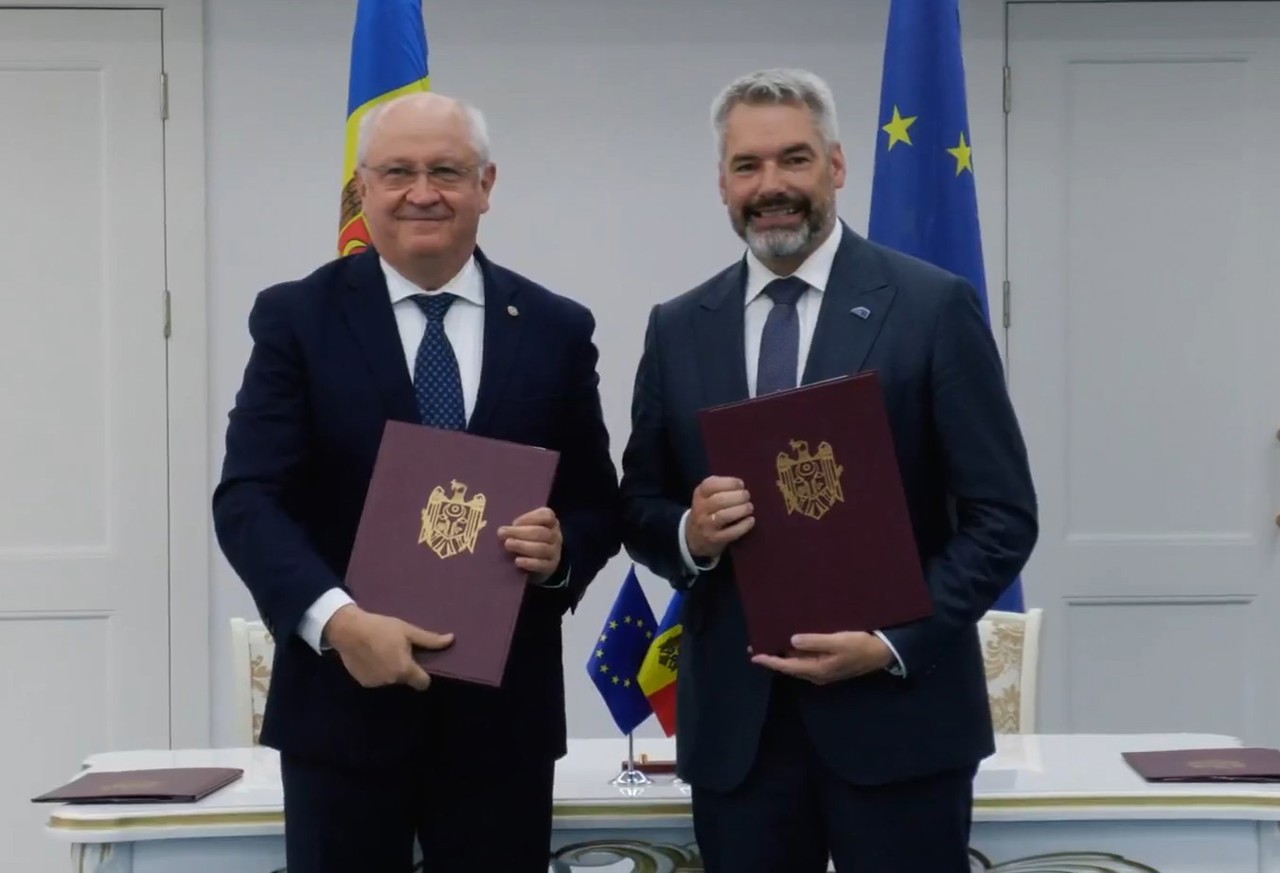
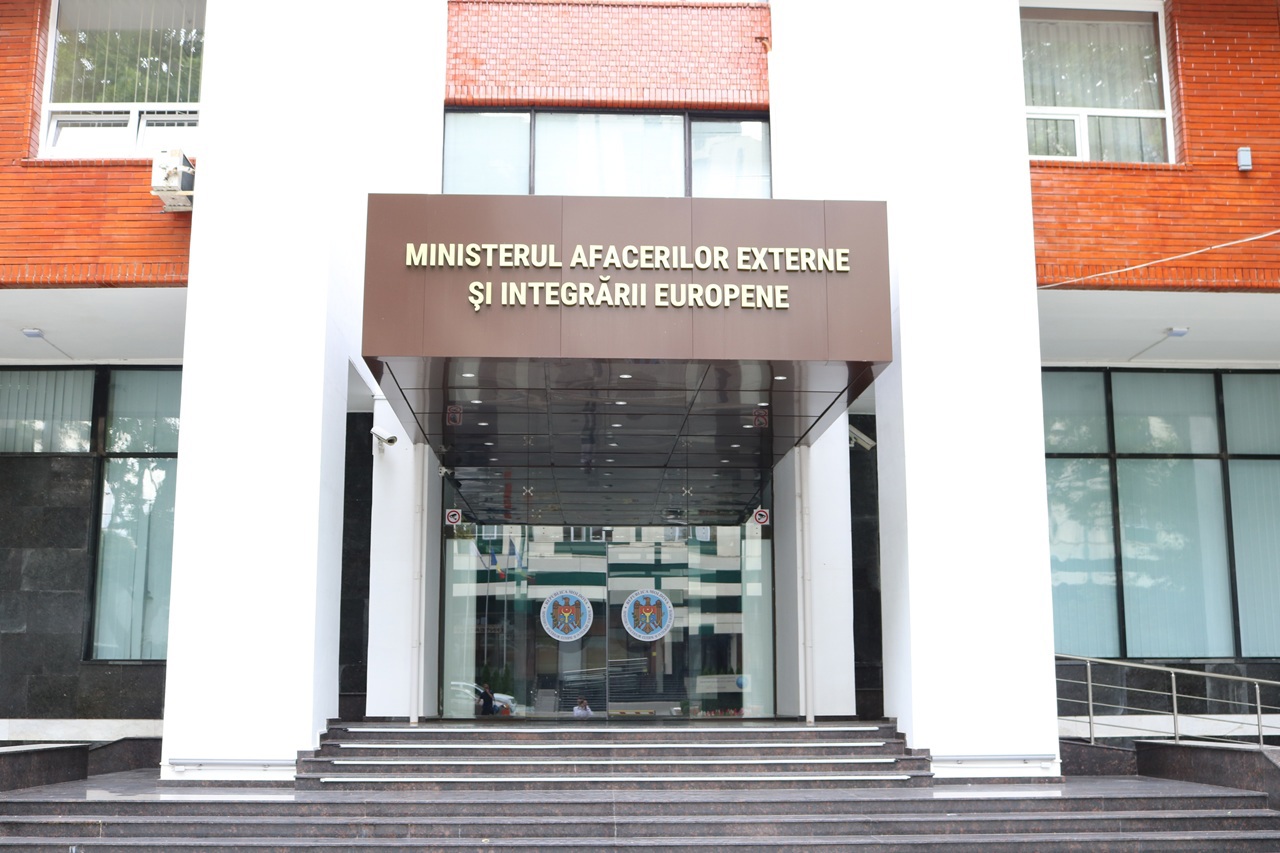
The Moldovan Government and the European Investment Bank (EIB) signed two crucial financing agreements in Chișinău on Friday, June 19, 2026. The structural package delivers €51.5 million (approx. 1.01 billion MDL) loan to upgrade national schools alongside a €10 million (approx. 196 million MDL) grant for hospital energy efficiency.
The financial agreements operate under the European Union Growth Plan for Moldova, an unprecedented mechanism deployed to accelerate economic development and domestic reforms. Prime Minister Alexandru Munteanu noted that the investments reflect deepened institutional trust following the official launch of EU accession negotiations regarding fundamental democratic values.
Substantial updates to educational infrastructure
The education funding marks a decisive phase in the national model school network initiative, originally launched in 2023. Minister of Education and Research Dan Perciun stated that this specific €51.5 million allocation will directly upgrade 20 selected educational institutions across the country.
The targeted investments will deliver optimized energy efficiency and superior learning spaces for approximately 14,000 students. This infrastructure drive runs parallel to the "Education Restart" structural reform, which establishes Territorial Education Agencies to standardize schooling quality across municipal and regional districts.
Enhancing healthcare energy resilience
The companion €10 million grant focuses entirely on upgrading ten public hospitals to reduce long-term operational costs. Minister of Energy Dorin Junghietu emphasized that building energy security guarantees that public hospitals can function safely regardless of external market fluctuations or shifting energy prices.
The development program covers advanced thermal insulation, automated heating and ventilation networks, efficient lighting systems, and the installation of local renewable energy sources.
During the signing ceremony, EIB Vice-President Karl Nehammer highlighted the practical philosophy of the investment, stating that European integration is actively forged in classrooms and hospitals where citizens receive direct care, rather than solely through administrative processes in Brussels.
Translation by Iurie Tataru