Moldova and Ukraine negotiate Dniester flow to avert water crisis
Moldova and Ukraine have agreed to maintain the current water release rate of the Dniester River to safeguard regional supplies and secure drinking water for Chisinau.
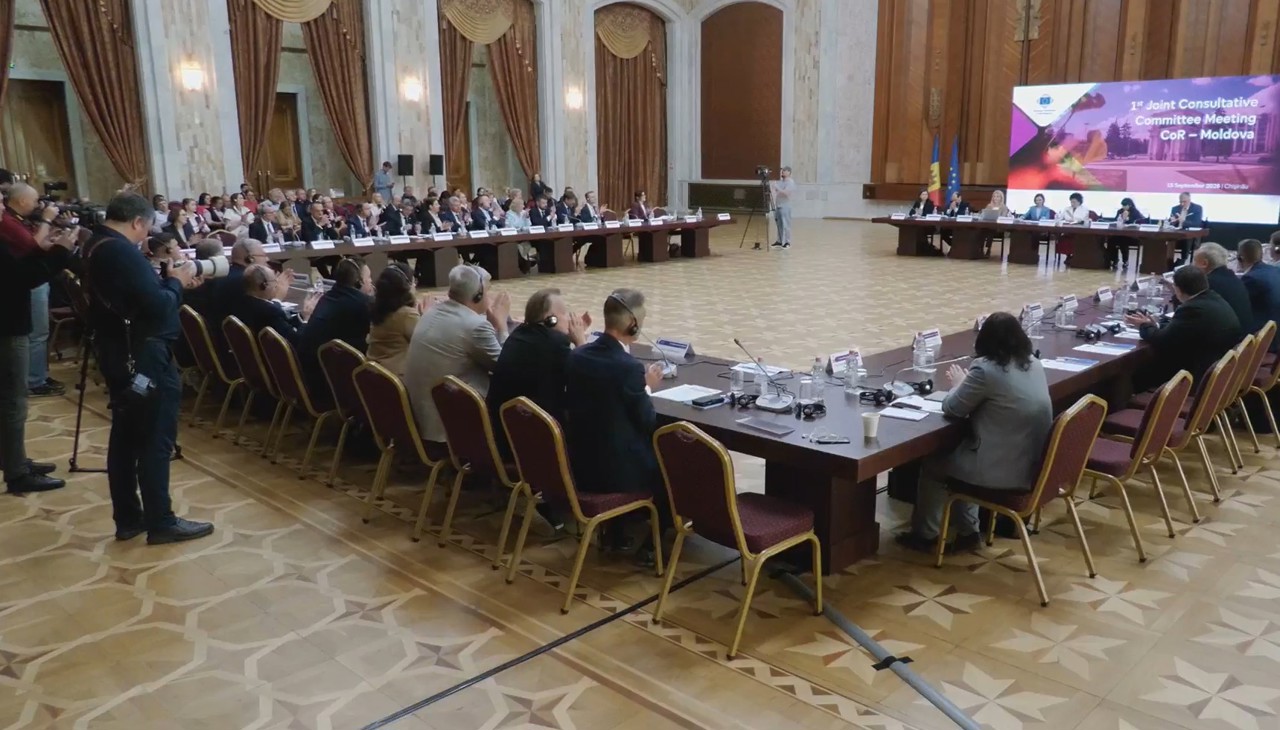
The decision came during an extraordinary meeting of the Joint Dniester Commission. The session was convened after Ukrainian authorities proposed reducing water discharge from the Novodnestrovsk reservoir due to severe drought conditions.
Hydrological monitoring reveals that low precipitation in the Ukrainian Carpathians has drastically reduced water storage levels. Coupled with extreme heat waves, water volumes in the basin have dropped below historical records.
Ukrainian restrictions and Moldovan request
In response to the drying basin, Ukraine initially proposed cutting the reservoir discharge from 100 to 70 cubic meters per second to preserve reserves. Ukrainian officials reported that water use restrictions have already been imposed on 177 domestic industrial and agricultural entities.
Moldovan representatives requested maintaining the release rate at 100 cubic meters per second until at least the end of July. Ukrainian authorities accepted the proposal.
A joint technical reassessment will take place at the end of the month to determine further steps based on water level trends.

Political debate over capital water infrastructure
The hydrological strain has sparked political friction in Moldova. Acting Environment Minister Gheorghe Hajder criticized Chisinau Mayor Ion Ceban, accusing the local administration of downplaying the crisis.
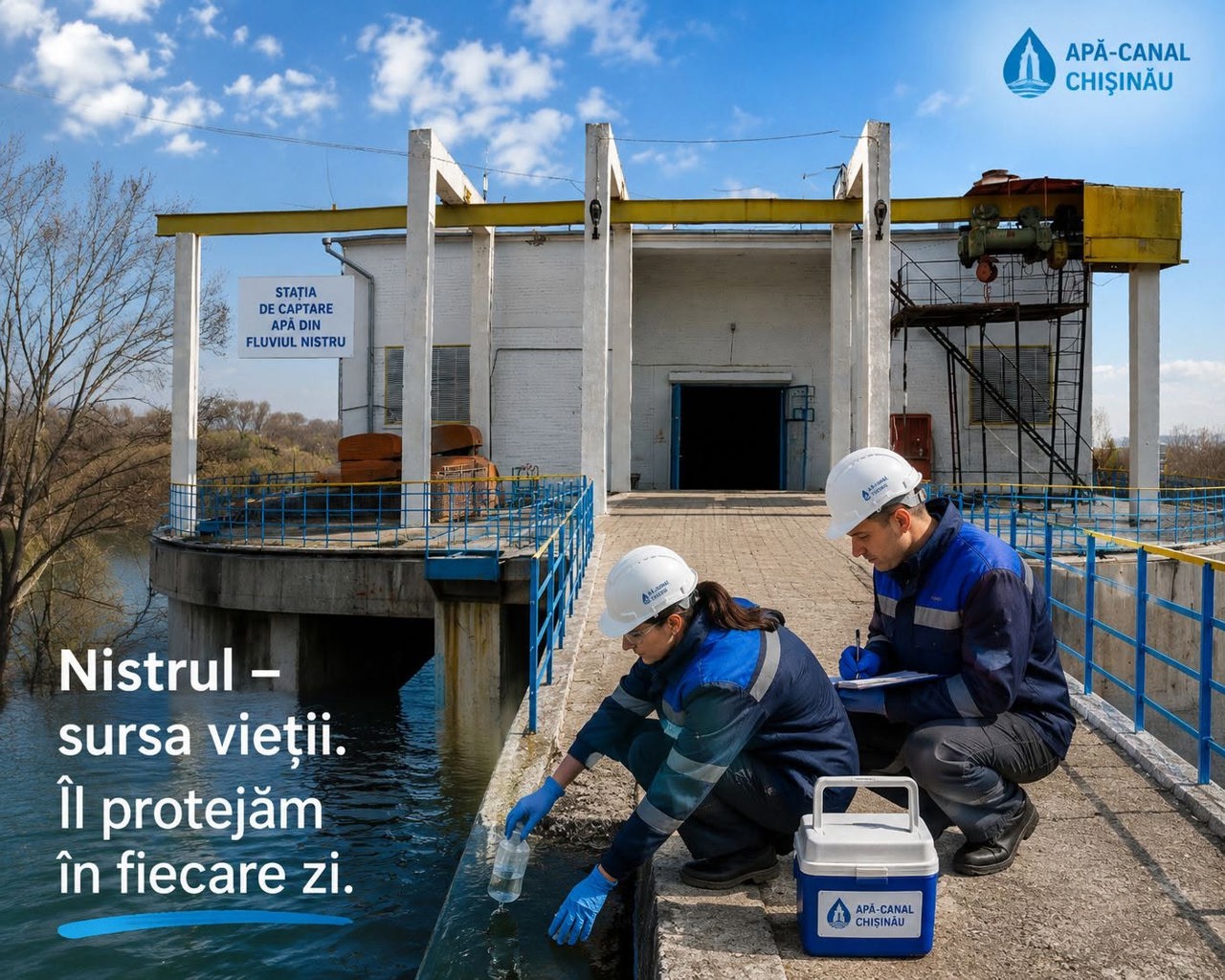
Hajder warned that the key vulnerability lies in the capital's fixed water intake infrastructure operated by the municipal provider Apă-Canal Chisinau.
If river levels drop below a critical threshold, the stationary pumps risk hanging above the water line and failing entirely. The Environment Ministry reiterated that requests sent to local authorities in March regarding alternative water sources remain unanswered, urging the municipality to disclose the operational readiness of reserve artesian wells.
In response, Mayor Ion Ceban stated that managing the Dniester's water levels remains the sole responsibility of the central government, holding national authorities accountable for any potential supply disruptions.
Translation by Iurie Tataru