Moldovan capital enacts emergency water plan amid Nistru drought
The Valentin Ignatenco Municipal Children’s Hospital and 108 preschools operating this August in Chișinău have secured drinking and utility water reserves. Municipal authorities confirmed the stockpiles following comprehensive site inspections.
These protective measures are part of a broader emergency preparedness plan triggered by falling water levels in the Nistru River.
Hospital representatives confirmed that the facility maintains full operational capacity to navigate a potential supply crisis.
"For an institution like the Valentin Ignatenco Hospital, the standard requirement is roughly one metric ton of water per patient daily. Consequently, the facility must consume at least 150 metric tons per day," institution officials stated.
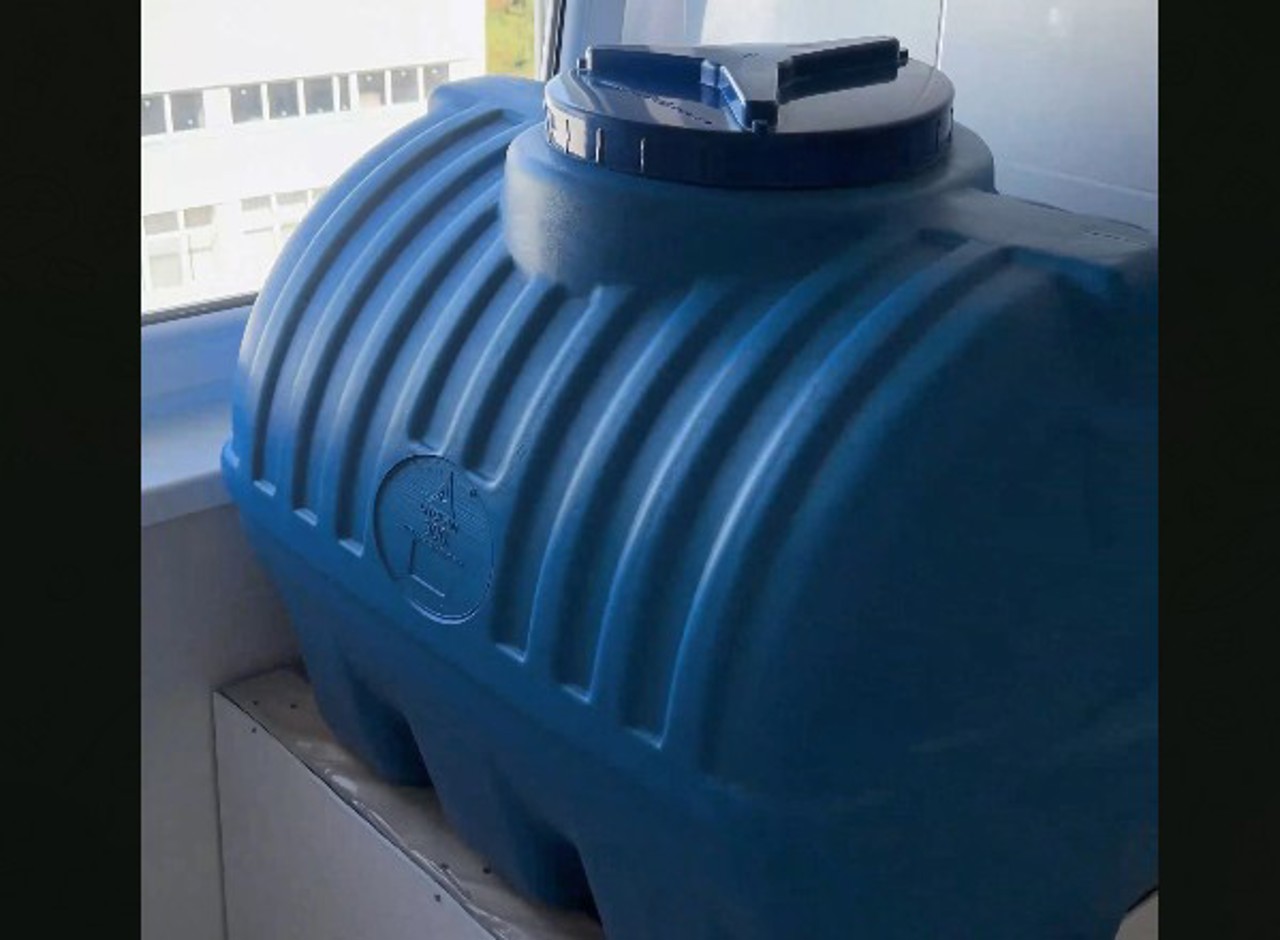
Storage containers are now positioned on every floor. Critical sectors, including the laundry facilities, sterilization units, and central kitchens, remain fully supplied.
Mayor General Ion Ceban announced that all 108 active kindergartens will be equipped with large-capacity tanks for non-potable service water by Tuesday, August 4. This supply will support dishwashing, laundry, and general sanitation.
"We are preparing for every possible scenario," Ceban stated. "Regarding drinking water, each daycare holds contracts ensuring sufficient supplies per classroom for drinking and food preparation. We have also stockpiled disposable tableware to minimize the need for washing dishes if necessary."
Municipal authorities continue to monitor the situation closely amid severe drought conditions and declining water levels at the Novodnestrovsk reservoir.
On August 2, the Chișinău City Hall activated emergency response protocols for potential supply disruptions. Officials have designated 213 distribution points across the city to supply water to residents and essential social institutions if required.
Beyond the main intake from the Nistru River, the municipality can draw up to 32,000 cubic meters of water daily from 26 operational artesian wells. Additionally, the Chișinău Mine can supply up to 5,000 cubic meters per day for household and technical uses.
At the Vadul lui Vodă intake station, emergency teams deployed a high-capacity motor pump delivering 1,200 cubic meters per hour. Four additional pumps will arrive in the coming days to reinforce the capital's water infrastructure.
The central government provided the equipment following a request from City Hall. Prime Minister Vasile Tofan ordered the release of the pumps from the Material Reserves Agency of the Ministry of Internal Affairs, emphasizing that maintaining the public water supply remains a top priority.
Translation by Iurie Tataru