Difficult hydrological situation in the Nistru basin; Ministry of Environment calls for responsible consumption
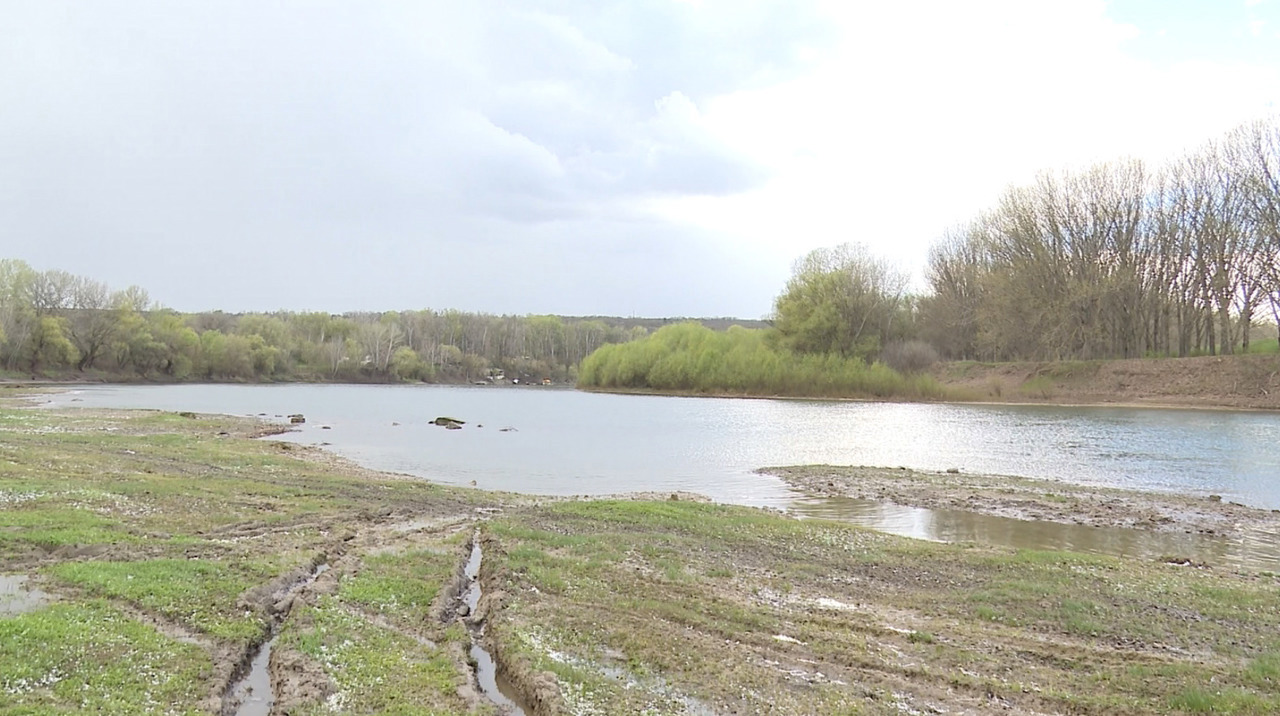
The hydrological situation in the Nistru basin remains difficult, and water reserves in the Novodnestrovsk reservoir continue to decline. According to the Ministry of the Environment, approximately 40.3 million cubic meters of water flowed into the reservoir during the first 20 days of September, while 103.7 million cubic meters were discharged.
The difference between the volume of water entering the lake and the volume discharged was about 63.4 million cubic meters. During this period, the average inflow rate was around 23 cubic meters per second, while downstream discharges remained at 60 cubic meters per second.
Ministry data indicate the reservoir level stood at 111.83 meters at the beginning of September. Based on the volume of water lost between September 1 and 20, the level is estimated at approximately 111.15 meters, representing a drop of about 68 centimeters over 20 days.
Inflow rates ranged from 16 to 35 cubic meters per second during this period. The highest rate, 35 cubic meters per second, was recorded on September 1, while the lowest, 16 cubic meters per second, was recorded on September 6. Over the final three days of monitoring, the inflow was 17 cubic meters per second on September 18, and 24 cubic meters per second on both September 19 and 20.
The Ministry of the Environment notes that precipitation recorded within the Republic of Moldova did not lead to a significant increase in inflow rates to the lake. According to the institution, rainfall in the upper Nistru basin—within Ukrainian territory—was insufficient to significantly impact the lake's water supply.
Given the low flow rates, the Ministry of the Environment urges the public and businesses to use water responsibly, repair leaks and losses, and avoid using drinking water for non-essential activities.